
Vietnam Manufacturing Hub: Why Global Brands Are Choosing Vietnam for Production
The global supply chain is fundamentally realigning. For decades, companies relied on a single dominant region for production. Today, geopolitical tensions, rising production costs, and sudden supply chain disruptions have forced procurement teams to rethink their strategies. Relying on a single manufacturing region is no longer a viable strategy for any serious brand.
The China+1 strategy is no longer just a boardroom contingency plan. It has become a mandatory operational standard for brand owners and supply chain managers globally. In this realignment, one country has emerged rapidly to absorb global production capacity.

We are seeing a clear transformation. Vietnam is no longer just an alternative destination. It is rapidly becoming a strategic Vietnam manufacturing hub for global brands.
If your company is evaluating new supply chain strategies, understanding the friction points of manufacturing in Vietnam is just as critical as knowing the benefits. You need to know how the ecosystem actually works. You also need to understand the operational risks before committing your working capital to production. This article breaks down exactly why this shift is happening and how your team can navigate it.
When executing sourcing from Vietnam, having a realistic view of the market prevents costly delays. Let’s examine how this ecosystem has evolved into a global production powerhouse.
Overview of Vietnam’s Economic Transformation
To evaluate the current factory landscape, we need to look briefly at how quickly this infrastructure was built. This isn’t just history; it explains why certain supply chains here rely heavily on imported components while others are fully integrated.

Vietnam Before Economic Reforms
Before the late 1980s, the economy was heavily centralized and operated under a strict planned system. Industrial output was extremely limited, and global trade integration was nearly non-existent outside of the Soviet bloc. By 1986, hyperinflation reached nearly 700%, paralyzing supply chains and proving that the existing infrastructure could not support large-scale, efficient export manufacturing. Local production facilities lacked modern machinery, and business regulations severely restricted any private enterprise.
The Doi Moi Reforms and Industrial Growth
In 1986, the government introduced the “Doi Moi” (Renovation) economic reforms, a pivotal moment that shifted the country toward a market-driven economy. Recognizing the need for foreign capital, Vietnam passed the pioneering Foreign Investment Law in 1987, opening its borders to foreign direct investment (FDI) for the first time. The government quickly established dedicated industrial zones and export processing zones in regions like Ho Chi Minh City and Binh Duong. These pragmatic changes allowed private enterprises to flourish, forming the critical foundation of the modern Vietnam manufacturing hub that we see absorbing global orders today.

How Vietnam Became Export-Driven
The government aggressively pursued an export-led growth model by actively dismantling heavy trade barriers and incentivizing export-focused manufacturing. A major catalyst was the normalization of diplomatic and trade relations with the US in 1995, followed by Vietnam’s historic accession to the World Trade Organization (WTO) in 2007. These milestones gave factories the confidence to shift from domestic production to serving strict international markets. This strategic pivot attracted global capital, creating the massive, interconnected industrial parks you see today across the northern and southern provinces.
Vietnam’s role in Southeast Asia manufacturing
Today, the country holds a highly strategic position within the ASEAN supply chain network. Since joining ASEAN in 1995, Vietnam has acted as a vital land and sea bridge between massive raw material suppliers in Southern China—like Shenzhen and Guangzhou—and global consumer markets in the West. This tight geographical integration allows factories to import specialized components rapidly, assemble them cost-effectively, and ship finished goods out of deep-water ports. This operational synergy has ultimately solidified its status as a highly reliable, scalable production center in Asia.
Why Companies Move Manufacturing to Vietnam
Shifting supply chains is brutal. It requires capital, extensive auditing, and accepts significant operational risk. So, why companies move manufacturing to Vietnam at such an unprecedented rate? It usually begins with a breaking point. When discussing why companies move manufacturing to Vietnam, the conversation often starts with tariff avoidance, but it quickly shifts to basic supply chain survival.
Over the last few years, our clients have repeatedly faced the same severe pain points: sudden 25% tariff hikes wiping out profit margins overnight, factories unilaterally changing payment terms or demanding MOQs that freeze working capital, or unexpected localized lockdowns that halted production lines for weeks without warning. Directors of Sourcing realized that relying on a single, centralized production base was no longer financially viable. The shift is not just about chasing cheaper labor; it comes down to urgent risk mitigation, regaining supply chain control, and long-term cost predictability.
Rising Production Costs in China
For years, China was the undisputed factory of the world. However, the fully burdened labor rate has increased significantly over the past decade. Compliance costs and overhead have also risen. For many brands, the margin compression is simply no longer sustainable.
China+1 Strategy and Supply Chain Diversification
Relying on a single country for 100% of your production is an unacceptable risk today. The China+1 strategy involves keeping a base in China while developing a secondary supply chain. This diversification protects your company from localized disruptions.
Trade War Impacts and Geopolitical Risks
Tariffs and trade restrictions have heavily impacted profit margins. Companies moving production often do so to avoid high import duties in the US and EU markets. The Vietnam manufacturing hub offers a neutral, stable alternative for export-heavy brands.

Stable Political Environment in Vietnam
Supply chain managers require predictability above all else. Vietnam offers a highly stable political system with consistent economic policies. The government actively encourages foreign investment and maintains clear, long-term industrial development goals.
Growing Trust from International Buyers
Decades ago, buyers doubted the quality capacity outside established regions. Today, global giants like Samsung, Nike, and Apple operate massive facilities here. This presence proves the ecosystem can handle strict quality requirements and complex assemblies.
Vietnam’s Export-Oriented Policies
The government continuously updates tax incentives for export manufacturers. They develop specialized economic zones that streamline customs procedures. These policies directly lower operational friction for international companies bringing production here.
Vietnam Manufacturing Advantages for Global Buyers
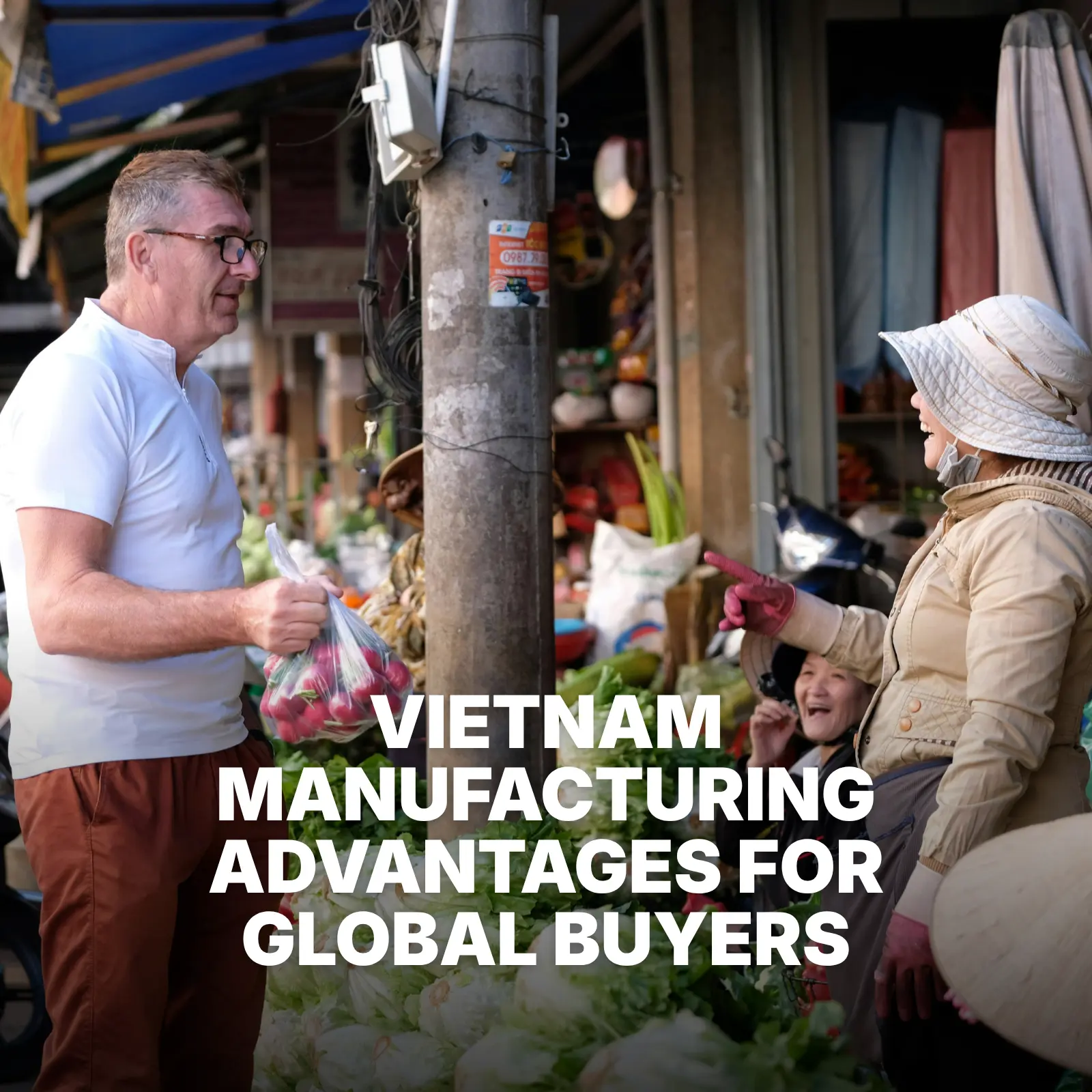
When evaluating a transition, procurement directors must look past surface-level pricing to find the real Vietnam manufacturing advantages that protect unit margins. Your team must weigh specific operational benefits against the transition costs. Let us look at the core Vietnam manufacturing advantages that drive executive business decisions.
Competitive Labor Costs
While wages are rising slowly, direct labor costs remain highly competitive. For labor-intensive industries like apparel and footwear, this difference directly improves unit margins without sacrificing technical capability.
Skilled and Trainable Workforce
You aren’t just getting cheap hands. A common misconception is that the workforce only handles low-skill assembly. In reality, the workforce is highly trainable. Technical schools partner with industrial zones to train workers in electronics assembly, precision machining, and advanced textiles.

Strong Manufacturing Culture
There is a deeply embedded culture of industrial work. Factory structures, shift management, and production line discipline are mature. This makes integrating your standard operating procedures and quality control standards much easier.
Young Population and Workforce Growth
Demographics dictate long-term supply chain viability. Vietnam has a young, growing population. This demographic dividend ensures a steady supply of factory labor for the next two decades, keeping capacity stable.
Strategic Geographic Location in Asia
Geography matters for logistics. The country borders major raw material suppliers. This proximity reduces inbound freight costs and transit times for raw components needed in your assembly lines.
Expanding Port and Logistics Infrastructure
A Vietnam manufacturing hub requires world-class logistics. The government is heavily investing in deep-water ports like Cai Mep and Lach Huyen. Highway networks connecting industrial parks to these ports are expanding rapidly to reduce trucking bottlenecks.
Free trade agreements and tax advantages
This is perhaps the most immediate financial benefit. The country participates in major agreements like the EVFTA and CPTPP. These treaties drastically reduce or eliminate import tariffs for goods entering European and participating markets, immediately boosting ROI.
Increasing Foreign Direct Investment (FDI)
High FDI means better infrastructure. As foreign capital flows into industrial zones, the entire ecosystem improves. Better roads, more reliable power grids, and stronger supporting industries develop naturally.
Government Support for Manufacturing Industries
Local authorities actively assist in factory setups. They provide tax holidays for high-tech investments and streamline licensing for export-focused factories. This support speeds up the time-to-market for new production lines.
Top Manufacturing Industries Growing in Vietnam
The ecosystem is not limited to one sector. Over the past decade, the Vietnam manufacturing hub has diversified its capabilities. Understanding these specific clusters helps determine if your product actually fits the capabilities of the Vietnam manufacturing hub or if you’ll struggle to find competent sub-suppliers.
Apparel and Garment Manufacturing
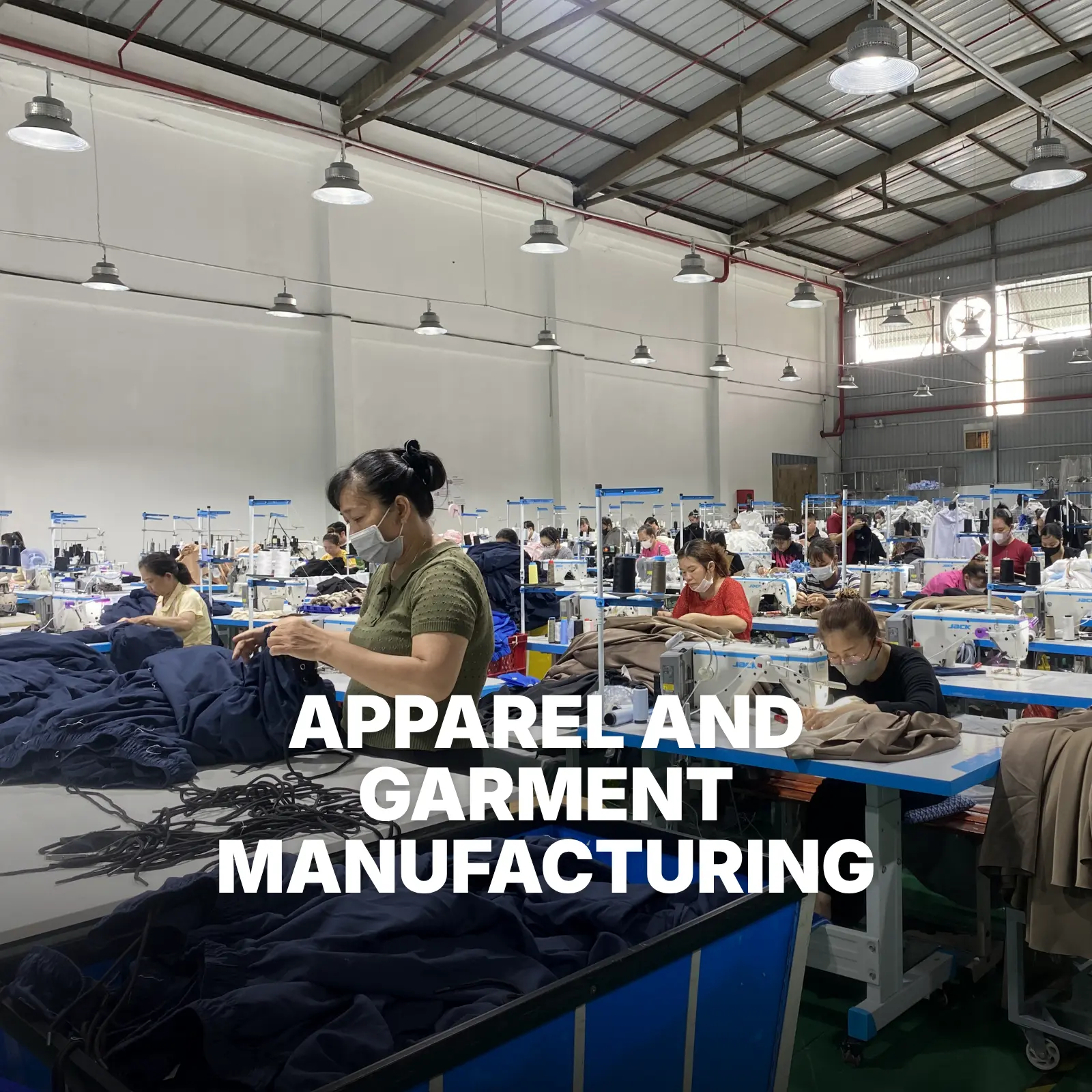
This is a cornerstone industry, consistently generating over $40 billion in annual export turnover. This immense volume positions the country as a top-three global exporter. Factories here handle complex garments, outerwear, and technical textiles, shifting comfortably between CMT (Cut, Make, Trim) and FOB models under strict compliance standards.
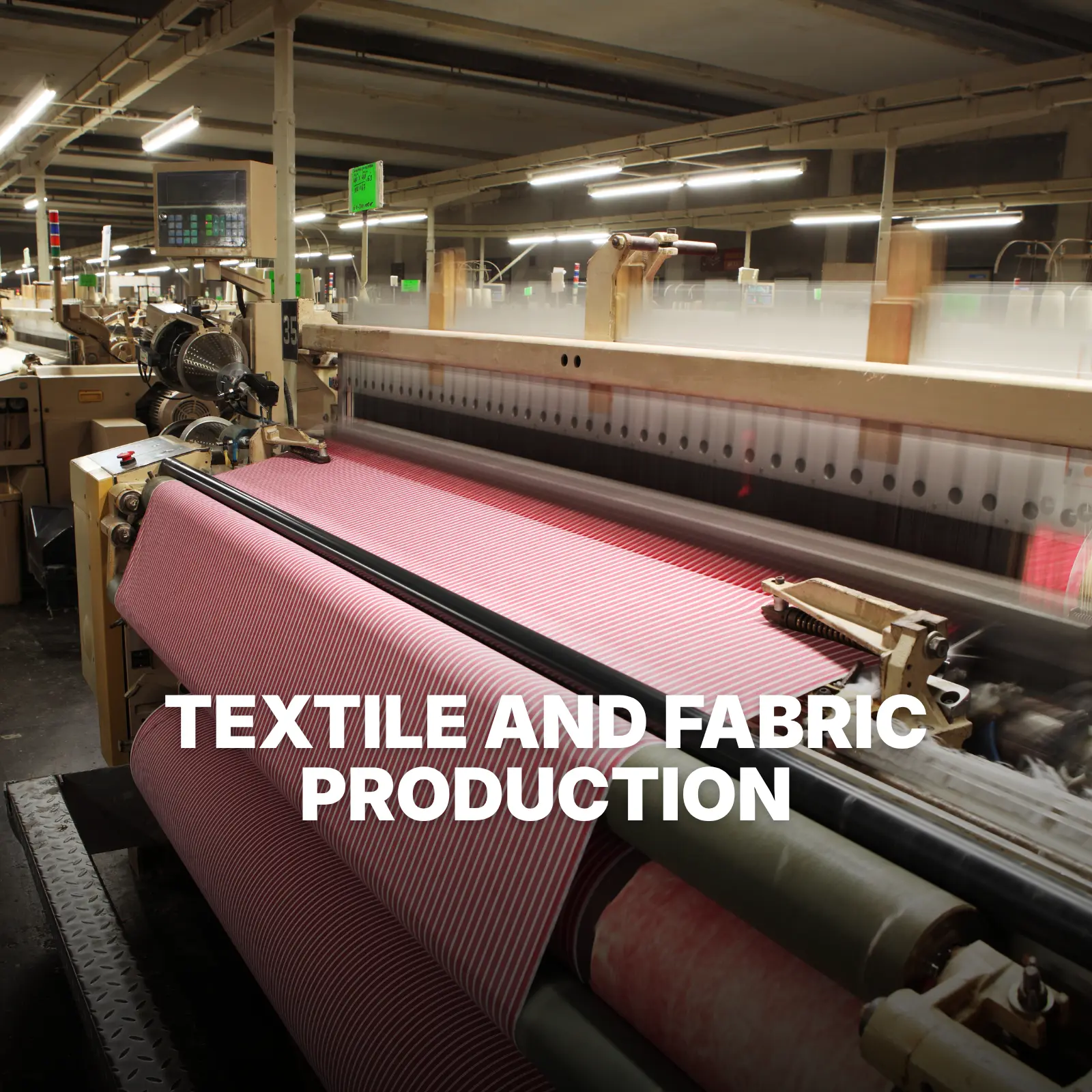
Textile and Fabric Production
Historically, factories imported most of their fabrics. Now, domestic textile mills are rapidly expanding to support the garment sector. This vertical integration reduces raw material lead times and helps global brands meet the strict rules of origin required by free trade agreements.
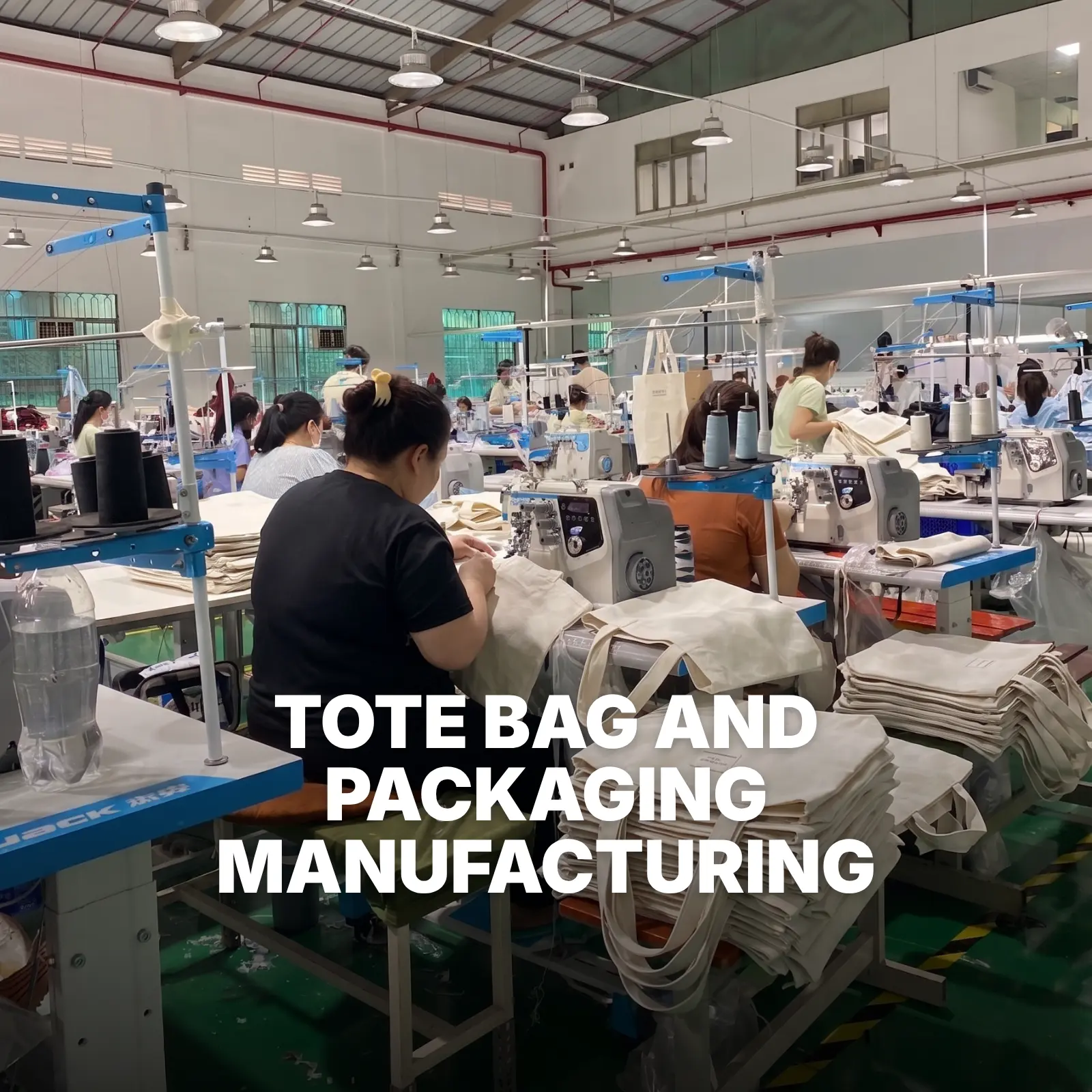
Tote Bag and Packaging Manufacturing
Sustainable packaging and woven bags are booming. Factories produce high volumes of eco-friendly packaging, reusable totes, and industrial bags, catering to the massive global shift toward plastic-free retail solutions.
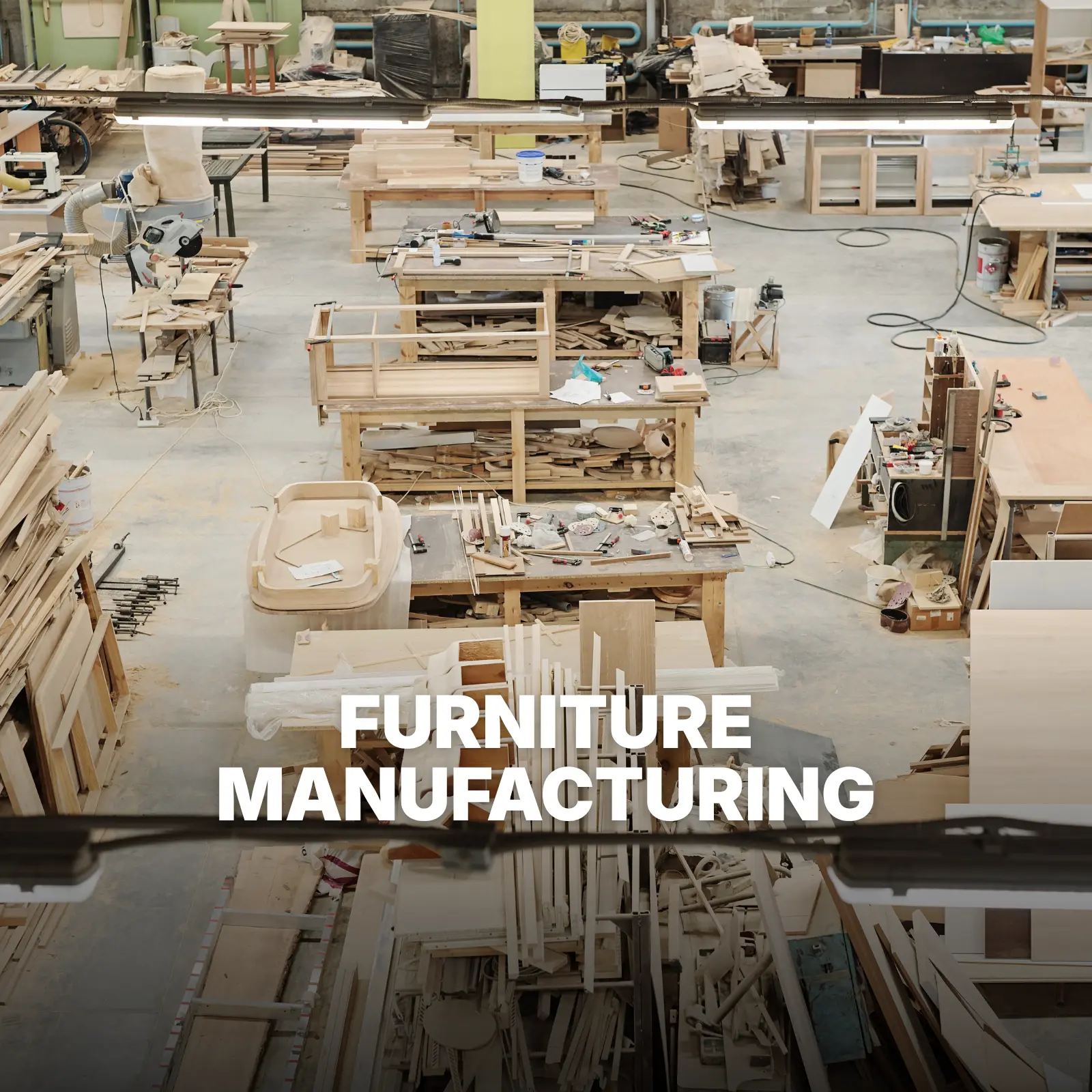
Furniture Manufacturing
Vietnam has rapidly become one of the world’s leading exporters of wooden furniture, with annual export revenues recently surpassing $15 billion. The central and southern regions house massive, highly specialized factory clusters producing premium indoor and outdoor furniture for major global retailers.
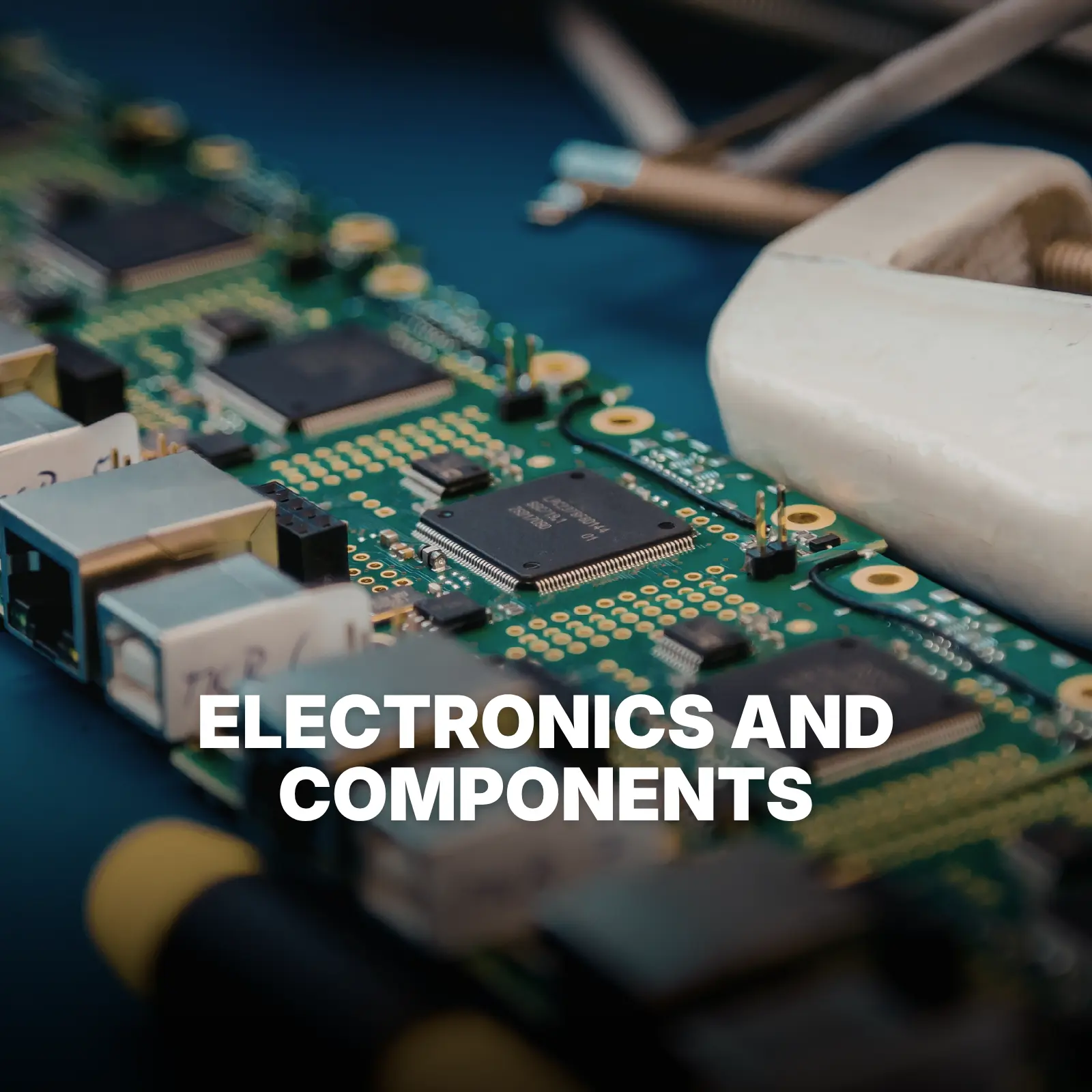
Electronics and Components
This sector is growing the fastest and completely dominates national exports, regularly exceeding $130 billion in annual turnover. Global tech giants have established massive assembly plants here. The local ecosystem now deeply supports high-mix PCB assembly, consumer electronics, and highly specialized micro-components.
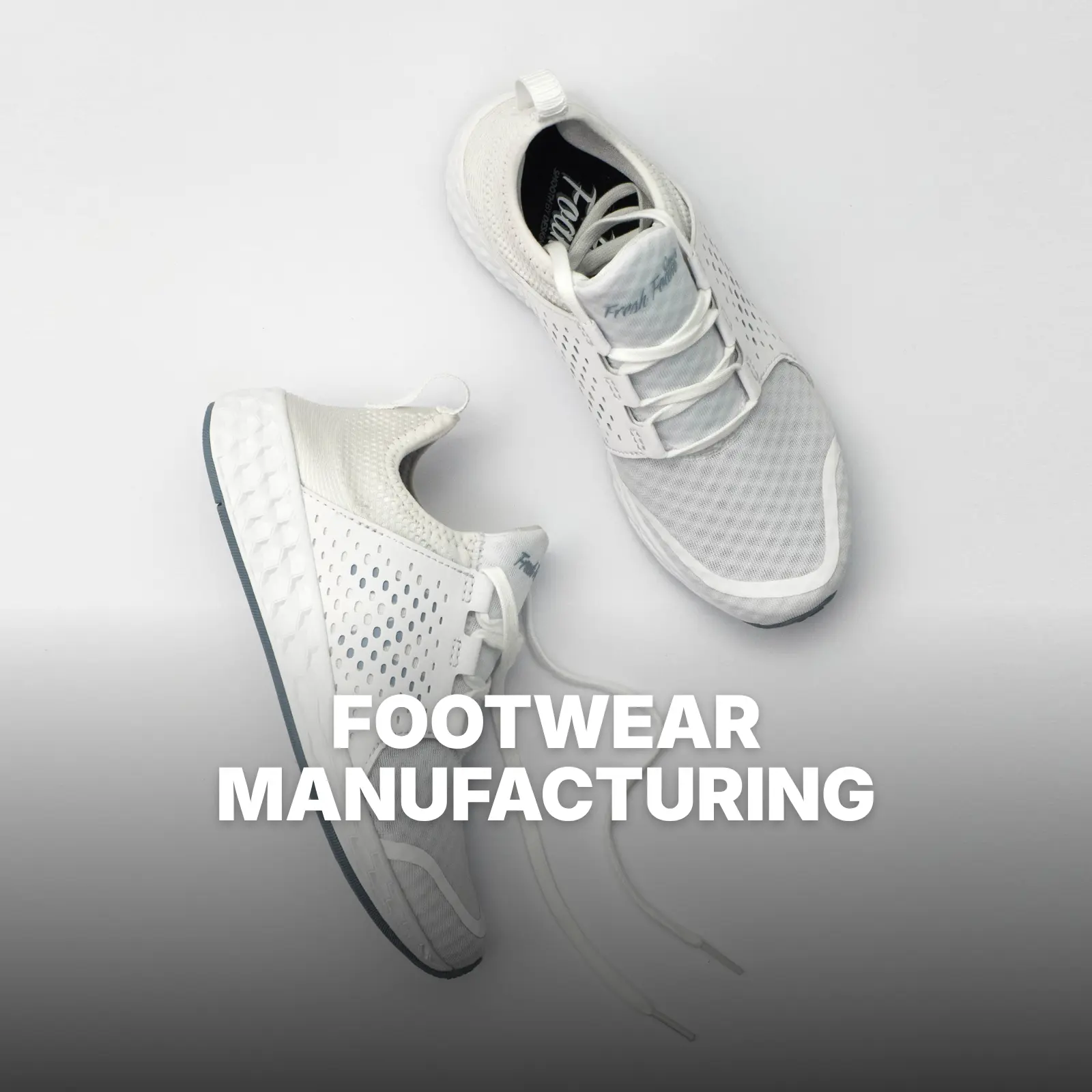
Footwear Manufacturing
Alongside garments, footwear is a dominant sector, capturing over 10% of the global export market share. The country is the second-largest footwear exporter globally. Major brands like Nike and Adidas now produce a massive percentage of their global inventory here, relying on specialized factories to manage complex supply chains for vulcanized rubber and synthetics.
OEM and Private Label Manufacturing
If you need custom production, the ecosystem is ready. Factory sourcing for OEM (Original Equipment Manufacturer) projects is highly efficient here, provided you have clear tech-packs and specifications that leave no room for interpretation.
Industrial Supporting Industries
The local supply chain is maturing. We see growth in plastic injection molding, metal stamping, and packaging. This reduces the need to import every minor component, like zippers or specific screws, for your final assembly.
Vietnam vs China Manufacturing: Key Differences
When companies map out their China+1 strategy, they need a realistic comparison. Vietnam vs China manufacturing is not about finding a perfect replacement. It is about understanding operational trade-offs. A realistic Vietnam vs China manufacturing comparison must account for these hidden lead times and capacity constraints.

Labor Cost Comparison
Vietnam currently offers lower direct labor costs. However, China’s labor productivity in highly automated sectors remains superior. The cost advantage here is most evident in labor-intensive assembly and sewing operations where automation is difficult.
Production Scale Comparison
China possesses an unmatched scale. A single industrial city in China might output what an entire province does elsewhere. Your team must align your order volumes with the realistic capacity of local Vietnamese factories to avoid choking their lines.
Supply Chain Maturity
China’s internal supply chain is complete. In contrast, factories here often import specialized raw materials (like high-tech fabrics or specific electronic chips) from neighboring countries. You must factor this dependency into your timeline.
Flexibility for Medium-Sized Orders
One distinct advantage here is flexibility. Many local factories are willing to work with medium-sized order volumes to build long-term relationships. China’s mega-factories often demand massive Minimum Order Quantities (MOQs) that tie up your cash.
Communication and Sourcing Differences
Communication styles differ. Chinese factories often have massive, aggressive English-speaking sales teams. Vietnamese factories tend to be more reserved, engineering-minded, and focused on production. Having local coordination is often critical to bridge this gap.
Lead Times and Logistics
Because some raw materials are imported, relying on trims from Shenzhen can add 7-10 days to your timeline before mass production even starts here. However, outbound shipping times to the US West Coast or Europe remain highly competitive.
Trade and Tariff Considerations
This is the primary driver for the shift. Goods exported from this Vietnam manufacturing hub often bypass the heavy punitive tariffs applied to Chinese exports in the US market, instantly improving landed margins.
Which Industries Fit Vietnam Better?
Apparel, footwear, furniture, and consumer electronics assembly fit perfectly. If your product requires highly specialized, rare raw materials found only deep inland in China, the transition will be more difficult and require careful buffer stock planning.
Simple Comparison Overview:
| Feature | China Manufacturing | Vietnam Manufacturing |
|---|---|---|
| Labor Costs | Moderate to High | Low to Moderate |
| Supply Chain | Deeply Integrated | Maturing, import-reliant |
| Tariff Risk (US/EU) | High Risk | Low Risk |
| Flexibility | Rigid MOQs common | Better for scaling brands |
Many international buyers exploring manufacturing in Vietnam also misunderstand the operational difference between sourcing, procurement, and purchasing. However, separating these functions correctly is essential for managing overseas suppliers effectively.
Beyond China: Comparing Vietnam to Other Emerging Hubs
When planning supply chain diversification, China is not the only benchmark. Procurement teams also evaluate other developing regions. How does the Vietnam manufacturing hub stack up against other global alternatives?
Vietnam vs. India
India offers a massive domestic market and immense raw material scale. However, its infrastructure and varying state-by-state regulations often create logistical bottlenecks. Vietnam generally offers a more predictable export-focused infrastructure. Moving finished goods from factory floors to deep-water ports is typically faster and less bureaucratic here.
Vietnam vs. Bangladesh
Bangladesh is a powerhouse for high-volume, basic apparel production. Their direct labor costs remain lower than Vietnam’s. The trade-off is production capability. The Vietnamese workforce excels in technical garments, electronics, and complex multi-material assembly. If your product requires high precision, Vietnam is the safer operational choice.
Vietnam vs. Mexico (Nearshoring)
For US buyers, Mexico offers rapid trucking transit times and USMCA tax benefits. It is a very strong nearshoring option. However, Mexican manufacturing labor wages are significantly higher. For highly labor-intensive goods, manufacturing here and shipping across the Pacific often yields better unit economics than producing in Mexico.
Vietnam vs. Indonesia and Thailand
Thailand has a mature automotive sector but faces an aging workforce demographic. Indonesia has massive labor availability but complex foreign investment laws. Vietnam strikes a highly strategic balance. It offers a young trainable workforce, aggressive Free Trade Agreements, and policies explicitly designed to attract foreign factory owners.
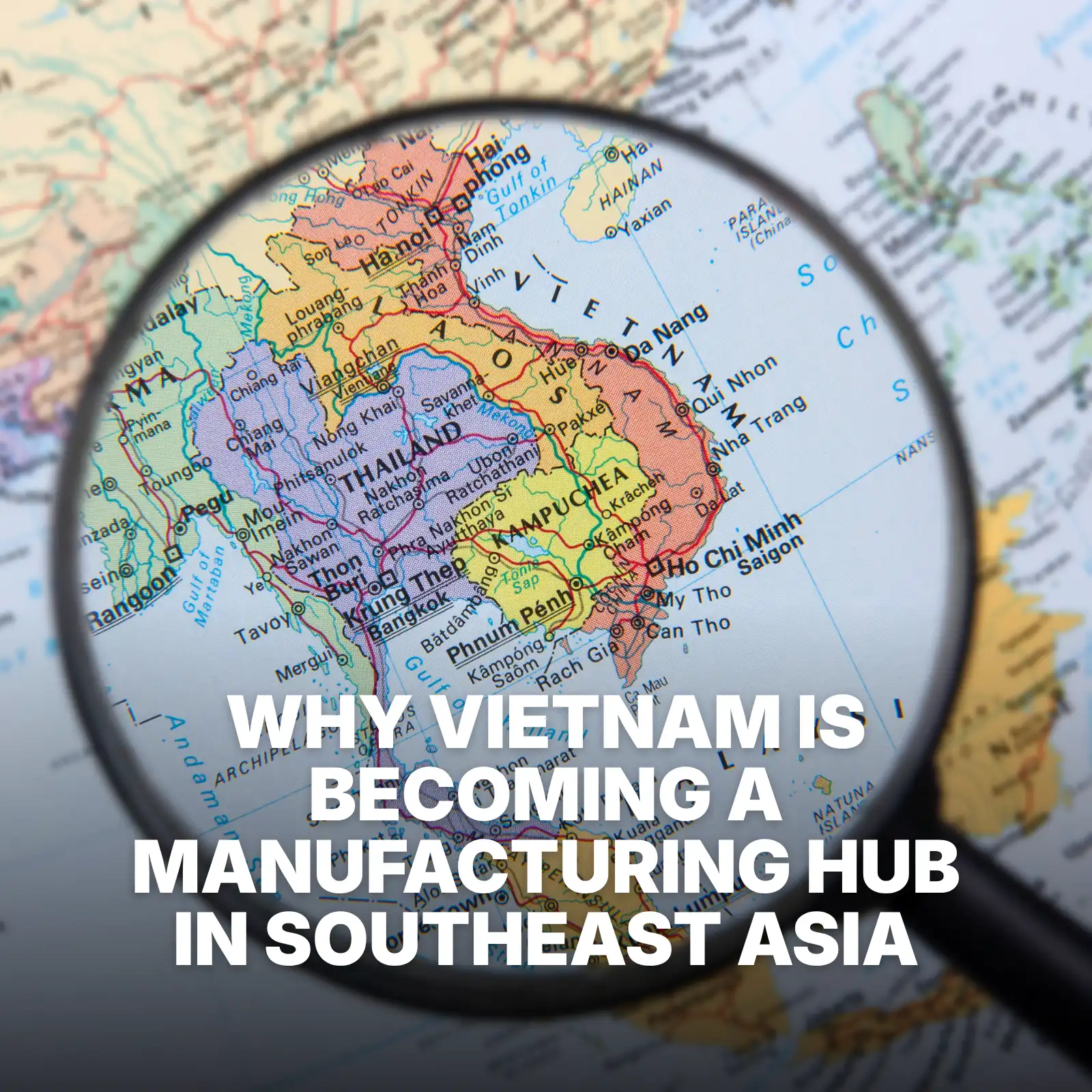
Why Vietnam Is Becoming a Manufacturing Hub in Southeast Asia
The shift is regional. Looking at the ASEAN bloc, why companies move manufacturing to Vietnam specifically over other neighbors involves several structural advantages.
Strategic Location Near Global Trade Routes
The long coastline faces the East Sea, a critical global shipping artery. This allows rapid deployment of finished goods to international markets without complex overland border crossings slowing down freight forwarders.
International Manufacturing Investments
Capital follows success. As early movers succeeded, more international banks, logistics firms, and industrial developers poured money into the country, solidifying its hub status and lowering the barrier to entry for latecomers.
Industrial Parks and Factory Expansion
The government develops ready-to-use industrial zones. These parks provide centralized wastewater treatment, stable power grids, and security. This plug-and-play infrastructure attracts serious factory investments and keeps production running during peak seasons.
Infrastructure Modernization
New highways are linking remote provinces to major deep-water ports. This infrastructure modernization drastically reduces inland trucking times and lowers domestic freight costs, which directly impacts your FOB price.
Growth of Export Manufacturing Ecosystem
It is a compounding effect. As more final-assembly factories open, more component suppliers follow them. This creates a dense, efficient ecosystem. This clustering effect is exactly what transforms a region from a loose collection of factories into a highly efficient Vietnam manufacturing hub.
The Rise of Supporting Industries
We are finally seeing strong growth in supporting industries. Local factories producing zippers, buttons, molded plastics, and packaging mean final assembly factories rely less on imports. This strengthens the entire Vietnam manufacturing hub and reduces supply chain shocks.
Challenges Companies Should Understand Before Manufacturing in Vietnam
Transparency is critical. Moving production is never seamless. If your team only looks at the benefits, you will face operational shocks. Here are the realistic friction points of manufacturing in Vietnam that you must manage.
Supplier Verification Challenges
The market is growing fast, which attracts middlemen operating out of shiny offices in District 1 claiming to own the factory in Binh Duong. Verifying actual production capacity, compliance certifications, and financial health from overseas is incredibly difficult and risky.
Quality Control Differences
Quality is not automatic. While the capability exists, your team must implement strict, documented QC procedures. A golden sample approval means nothing if inline QC isn’t strictly enforced on day two of mass production.
Communication Barriers
English proficiency on the factory floor is limited. Miscommunications regarding color lots, sizing tolerances, or packaging are common. Relying solely on emails without local, bilingual oversight often causes expensive errors that aren’t caught until the goods arrive at your warehouse.
Production Capacity Limitations
During peak seasons (like the months leading up to Tet), the best factories reach capacity quickly. Unlike China, where you can often find another mega-factory instantly, securing production lines here requires advanced planning and strong factory relationships.
Lead Time Management
Because many factories import raw materials from Northern Asia, any delay at the border delays your entire production. Your supply chain team must manage raw material lead times just as strictly as final assembly times.
Compliance and Documentation
Exporting requires precise documentation. Incorrect origin certificates or customs paperwork can trap your goods at the port, racking up demurrage fees. Navigating local bureaucratic requirements demands on-the-ground experience.
Why Sourcing Support Matters
These operational realities are exactly why remote management often fails. Having experienced professionals on the ground to audit factories and monitor production lines protects your investment and ensures your supply chain actually functions as planned.
Step-by-Step Tips for Sourcing in the Vietnam Market
If you are ready to explore the Vietnam manufacturing hub, having a structured approach prevents early operational mistakes. Here is a simplified roadmap for executive buyers:
- Define Strict Specifications: Before contacting any factory, prepare a comprehensive and detailed tech-pack. Clear specifications are the only way to get accurate, binding pricing.
- Verify the Factory Thoroughly: Never skip the on-site audit. You must verify their physical machinery, compliance certifications, and actual production capacity on the floor.
- Request and Approve Samples: Always test the factory’s capability with a paid sample run before committing working capital to bulk production.
- Implement Third-Party Quality Control (QC): Establish strict quality control checkpoints during inline production and prior to final shipment. Do not rely solely on the factory’s internal QC.
- Manage Logistics and Export Compliance: Ensure all export documentation, including certificates of origin for tax exemptions, are prepared well in advance to clear customs smoothly.
For a much deeper dive into executing this exact workflow and avoiding common pitfalls, read our comprehensive guide on tips for sourcing in Vietnam.
How VNvendor Supports International Buyers in Vietnam
We understand these operational hurdles because we manage them daily. Our role is to bridge the gap between your corporate procurement team and the factory floor.
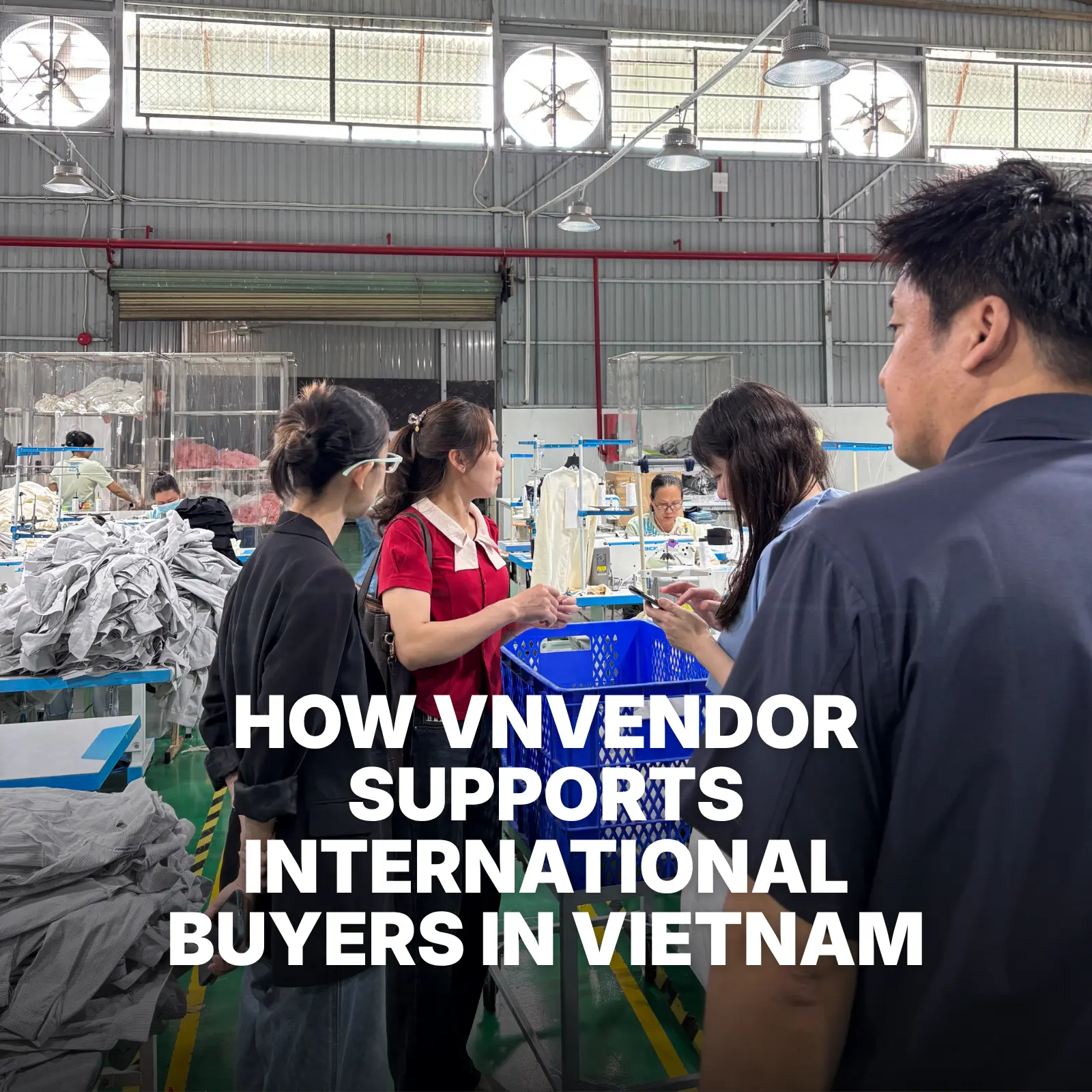
Through VNvendor sourcing, we provide the local intelligence and operational control required to succeed in this market. The greatest value we deliver to our clients is absolute peace of mind. You don’t want to wake up to an email saying your goods are delayed by three weeks due to a fabric shortage.
By partnering with us, your team does not need to waste valuable time navigating time zones, language barriers, or unpredictable factory behaviors. You do not have to worry about the daily friction of production; we handle the heavy lifting on the ground so you can focus entirely on scaling your brand.
Verified Supplier Network
Navigating manufacturing in Vietnam safely means avoiding unverified online directories. We utilize a thoroughly vetted network of trusted factories. Before any introduction, we verify their machinery, strictly audit their compliance certifications, and ensure they have the actual operational capacity to handle your specific order volumes. This upfront diligence saves you months of trial and error.
Manufacturing Sourcing Support
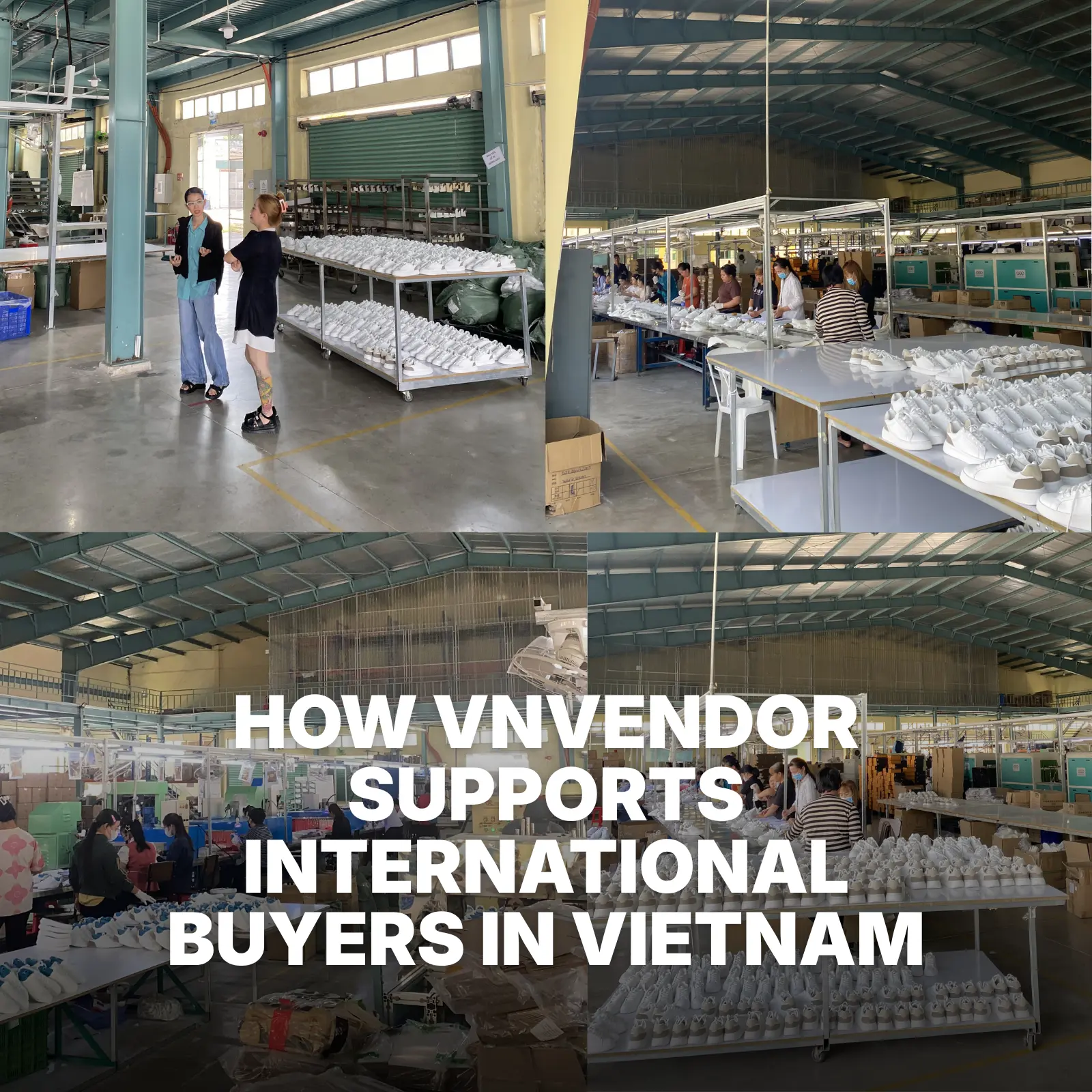
We match your precise technical requirements with the right factory profile. Whether you need heavy industrial metalworking or delicate apparel stitching, we align you with capable partners. By leveraging our established presence in the Vietnam manufacturing hub, we bypass the middlemen and connect you directly to the source, ensuring you get transparent pricing and realistic lead times.
Factory Communication Coordination
Miscommunication is the leading cause of failed production runs. Our local team handles the daily, highly detailed communication with the factory floor. We translate your complex technical specifications into clear, actionable instructions for the workers. This hands-on coordination prevents the expensive misunderstandings that commonly ruin unmonitored orders.
Order Follow-up and Production Tracking
To fully realize Vietnam manufacturing advantages, your production must stay on schedule. We do not just make an introduction and walk away. We actively monitor the entire production timeline on site. If raw materials are delayed at the border, we know immediately and work directly with the factory management to adjust schedules, ensuring your delivery dates are protected.
Tech-pack Development Support
A weak or ambiguous tech-pack guarantees failure. We help your team refine your technical specifications, ensuring that every tolerance, material requirement, and testing standard is clearly understood by the factory before a single sample is ever made.
Helping Buyers Reduce Sourcing Risks
Ultimately, our core job is risk mitigation. We prevent you from wiring deposits to unverified entities, we catch critical quality issues before the goods are loaded onto a ship, and we ensure your experience in the Vietnam manufacturing hub is highly profitable and entirely secure. With our team acting as your local eyes and ears, you have the confidence that your production is in safe hands.
Future Outlook: Vietnam’s Manufacturing Growth in the Next Decade
The current ecosystem is just the foundation. Looking forward, we see clear trends that will further enhance Vietnam manufacturing advantages for global brands.
Technology and Automation Growth
Factories are upgrading. To offset future wage increases, smart factory technologies and automated assembly lines are being integrated rapidly, particularly in electronics and automotive parts.
Skilled Workforce Development
The government is aggressively funding vocational training. The future workforce will be highly skilled in operating CNC machinery, managing automated systems, and handling complex industrial engineering tasks.
Expansion of Export Industries
We expect massive growth in high-value sectors. While apparel remains strong, the country is actively transitioning toward semiconductor packaging, green energy components, and advanced medical devices.
Vietnam’s Position in Global Supply Chains
The country will solidify its role as an indispensable node. It will no longer be just a “plus one” option, but a primary manufacturing base for brands prioritizing supply chain resilience over short-term savings.
Sustainability and Green Manufacturing Trends
Global brands demand ESG compliance. Factories here are rapidly adopting solar power, water recycling systems, and sustainable labor practices to meet the stringent requirements of EU and US buyers, protecting brand reputations.
Is Vietnam the Right Manufacturing Destination for Your Business?
Deciding to enter the Vietnam manufacturing hub requires strategic alignment. It is not a solution for every single business model, but it is highly effective for many.
It is ideal for scaling brands, mid-sized enterprises, and massive global corporations seeking supply chain diversification. If your products fall into apparel, electronics, furniture, or private label goods, the ecosystem is perfectly suited for you.
You must evaluate your tolerance for transition time. Vietnam vs China manufacturing is a strategic shift. It requires patience to build new supplier relationships and establish clear operational workflows. However, the long-term payoff in tariff reductions, supply chain security, and cost optimization is substantial.
Conclusion
The global manufacturing map has been redrawn. The data and operational realities on the ground are clear. Vietnam has transitioned from an emerging market into a sophisticated, highly capable industrial center.
Understanding why companies move manufacturing to Vietnam allows you to leverage these same strategies. By tapping into the established Vietnam manufacturing advantages, your business can protect its margins and secure its supply chain against future global shocks.
The Vietnam manufacturing hub is ready for your production, provided you approach it with realistic expectations and the right local support. To explore verified factories, understand specific industry capabilities, or discuss your production needs, contact VNvendor today. We are ready to help you build a resilient, profitable supply chain.

