
MOQ Requirements in Vietnam Lower than China? Here’s The Real Picture

Learning how to verify a Vietnamese factory begins with understanding the MOQ requirements in Vietnam. Vietnam is a major hub for global production. When evaluating suppliers, you must ask the right operational questions. Knowing how many units a factory needs is critical. This impacts your production capacity planning significantly. It also affects your overall supply chain optimization.
A garment factory might need 3,000 shirts to start. A plastic factory might require 10,000 parts. Every sector operates differently based on distinct manufacturing capabilities. From what we have seen, buyers often struggle with these initial numbers. They do not know if a factory is the right fit.
In this article, we will explain MOQ requirements in Vietnam across major industries. We will outline the operational reasons behind these numbers. We will also detail the documents you need before contacting a supplier. This practical knowledge is the foundation of supplier qualification.
What Is MOQ in Manufacturing?
MOQ stands for Minimum Order Quantity. It is the lowest number of units a factory will produce for a single order. You must meet this number to start a production run. Understanding the minimum order quantity in Vietnam helps you plan your budget. It protects you from unexpected sourcing challenges.
You should also know the difference between MOQ and MOA. MOA means Minimum Order Amount. Some factories base their limits on total order value rather than unit count. This is common in custom private label manufacturing.
How does MOQ affect product pricing? Higher volumes generally reduce your unit price. This happens because the factory can spread their setup cost across more items. Smaller production batches increase the cost per unit. You must balance your inventory needs with these pricing structures.
Why Do Manufacturers Set MOQ Requirements in Vietnam?
Many buyers ask why MOQ requirements in Vietnam vary so much between industries. We see several operational reasons for this. Manufacturers do not set these numbers randomly. They base them on strict production logic and factory production workflow.
Raw Material Sourcing
How do raw materials influence MOQ? Factories must buy materials in bulk. Fabric mills have minimum dyeing requirements. Metal suppliers sell steel by the ton. If a factory cannot buy small batches of materials, they cannot offer a low MOQ.
Production Line Efficiency
Factories need continuous operation to survive. Stopping a production line to change products costs money. High volumes ensure the production line remains efficient. This directly impacts the manufacturing lead time for your order.
Machine Setup Costs
Configuring machines takes hours of labor. The factory must pay workers during this preparation phase. Large orders absorb this setup cost easily. Small orders make the machine setup phase too expensive for the supplier.
Tooling & Mold Investment
Some products require custom molds. Tooling and mold costs can be very high. Machine setup takes significant time and precision. Factories need larger orders to justify this initial product development process.
Fabric Dyeing Minimums
The textile industry relies on large vats for dyeing. A factory cannot dye just 10 meters of fabric. They must fill the machine to ensure color consistency. This also prevents unnecessary water and chemical waste.
Printing Setup
Printing requires physical plates for offset machines. Calibration wastes a lot of paper initially. Therefore, printers require high volumes to make the run profitable. Small runs simply waste too much material.
Inventory Risk
Factories do not want to hold excess custom materials. Storing unused components costs them money. They prefer to order exactly what is needed for a specific production batch. This reduces their financial exposure.
Export Logistics
Factories must meet strict export manufacturing standards. Filling a shipping container is often more practical than shipping partial pallets. Logistics costs drop significantly when shipping full containers. This aids in overall cost optimization in manufacturing.
MOQ Requirements in Vietnam by Industry
The following ranges represent common expectations for MOQ requirements in Vietnam. Actual numbers vary based on customization and supplier size. This is how MOQ by industry generally breaks down for global buyers.
Apparel & Garment Manufacturing
- Typical MOQ: 500–3,000 pcs
- Why this MOQ? Fabric dyeing minimums usually dictate this volume. Cutting efficiency also matters. Sewing lines require balancing to run smoothly.
- Buyer prepares: Tech Pack, Size Chart, Bill of Materials (BOM), Artwork, Fabric specification.

Textiles & Fabrics
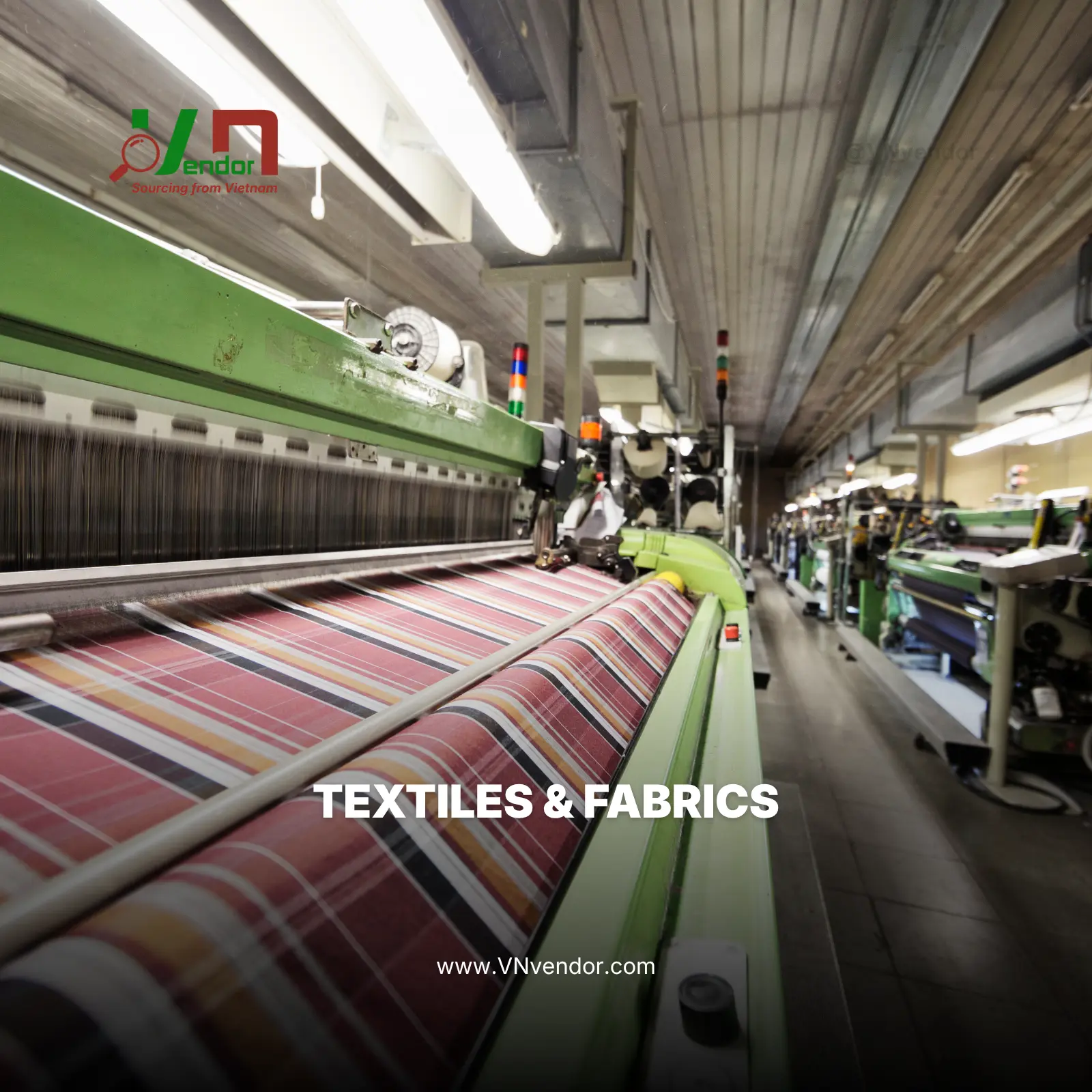
- Typical MOQ: 300–5,000 meters
- Why this MOQ? Looms and dyeing machines process large rolls. Small batches waste water and energy.
- Buyer prepares: Fabric construction, GSM, Fiber composition, Color standard.
Footwear Manufacturing
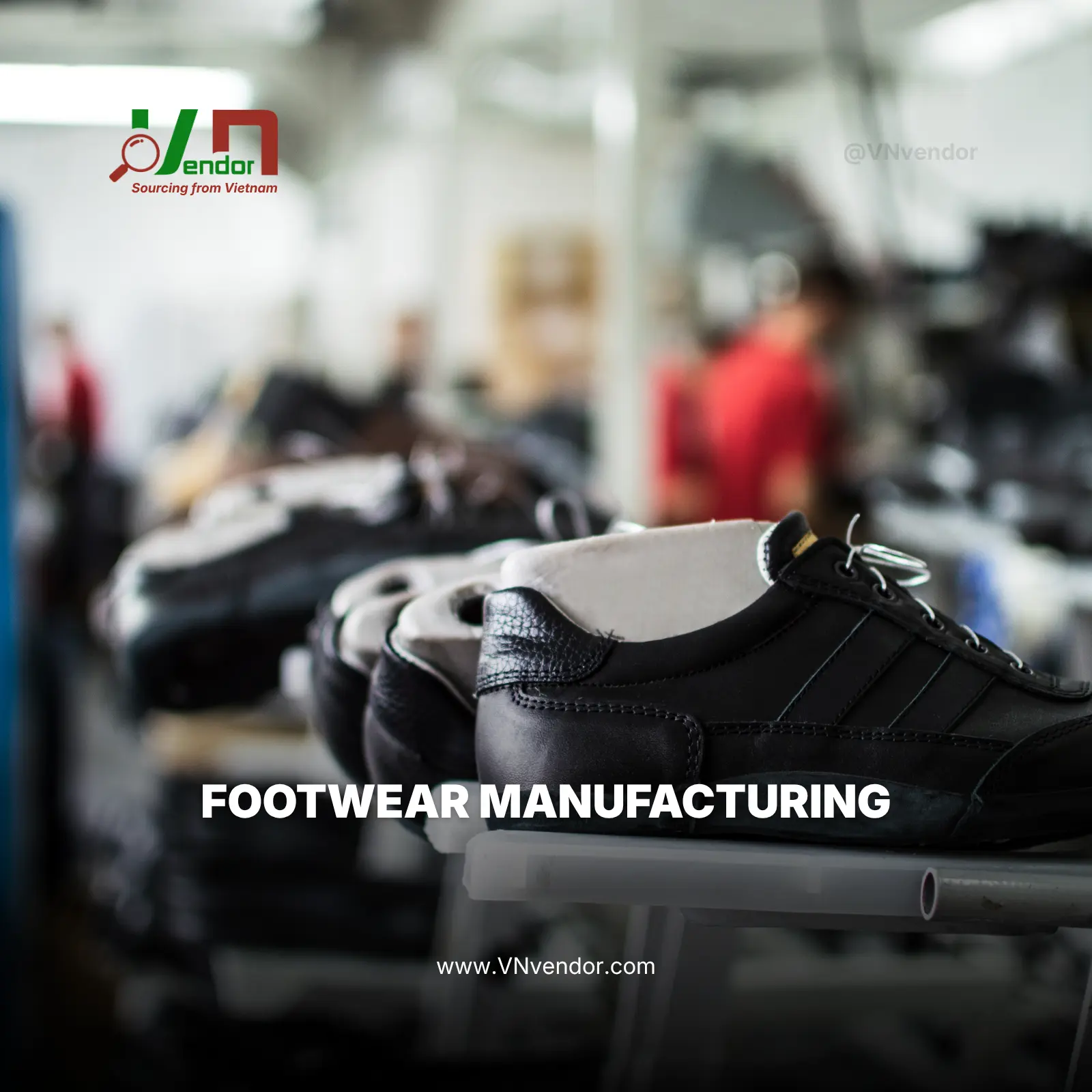
- Typical MOQ: 500–2,000 pairs
- Why this MOQ? Shoe production involves many custom components. Sourcing matching materials for uppers and soles requires volume.
- Buyer prepares: Tech Pack, Last specification, Material list, Sole design.
Bags & Luggage
- Typical MOQ: 300–2,000 pcs
- Why this MOQ? Minimums depend on custom hardware and fabric rolls. Standard fabrics allow lower minimums.
- Buyer prepares: Tech Pack, Fabric specification, Hardware specification, Printing artwork.

Furniture & Home Goods
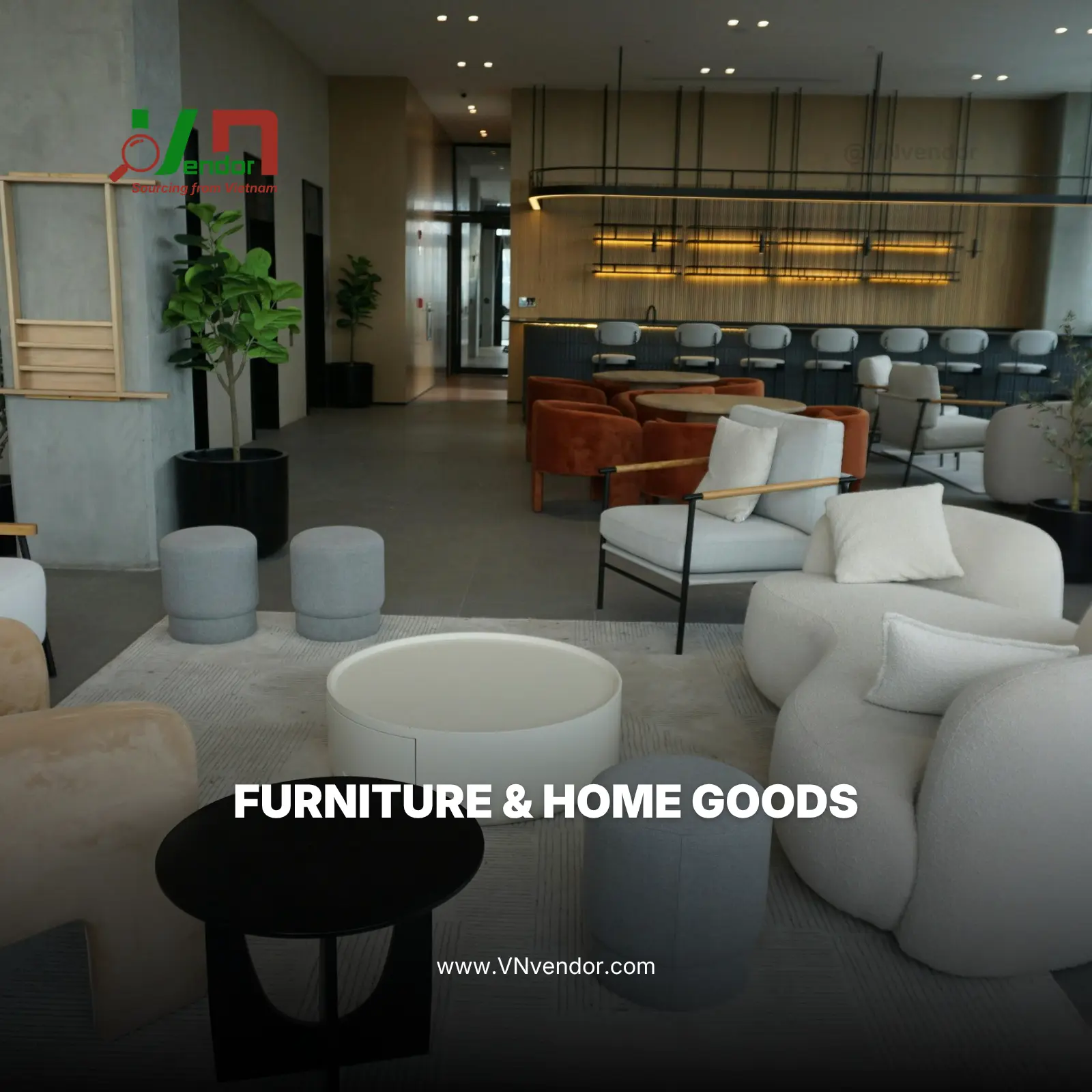
- Typical MOQ: 10–100 sets
- Why this MOQ? Furniture takes up significant space. Factories often calculate minimums based on container volume.
- Buyer prepares: CAD Drawing, Technical drawing, Material list, Surface finish.
Wood Products
- Typical MOQ: 200–1,000 pcs
- Why this MOQ? Timber sourcing and kiln drying require specific volumes. Setup time for CNC wood routing is significant.
- Buyer prepares: Drawings, Wood species, Finish requirement, Moisture content.

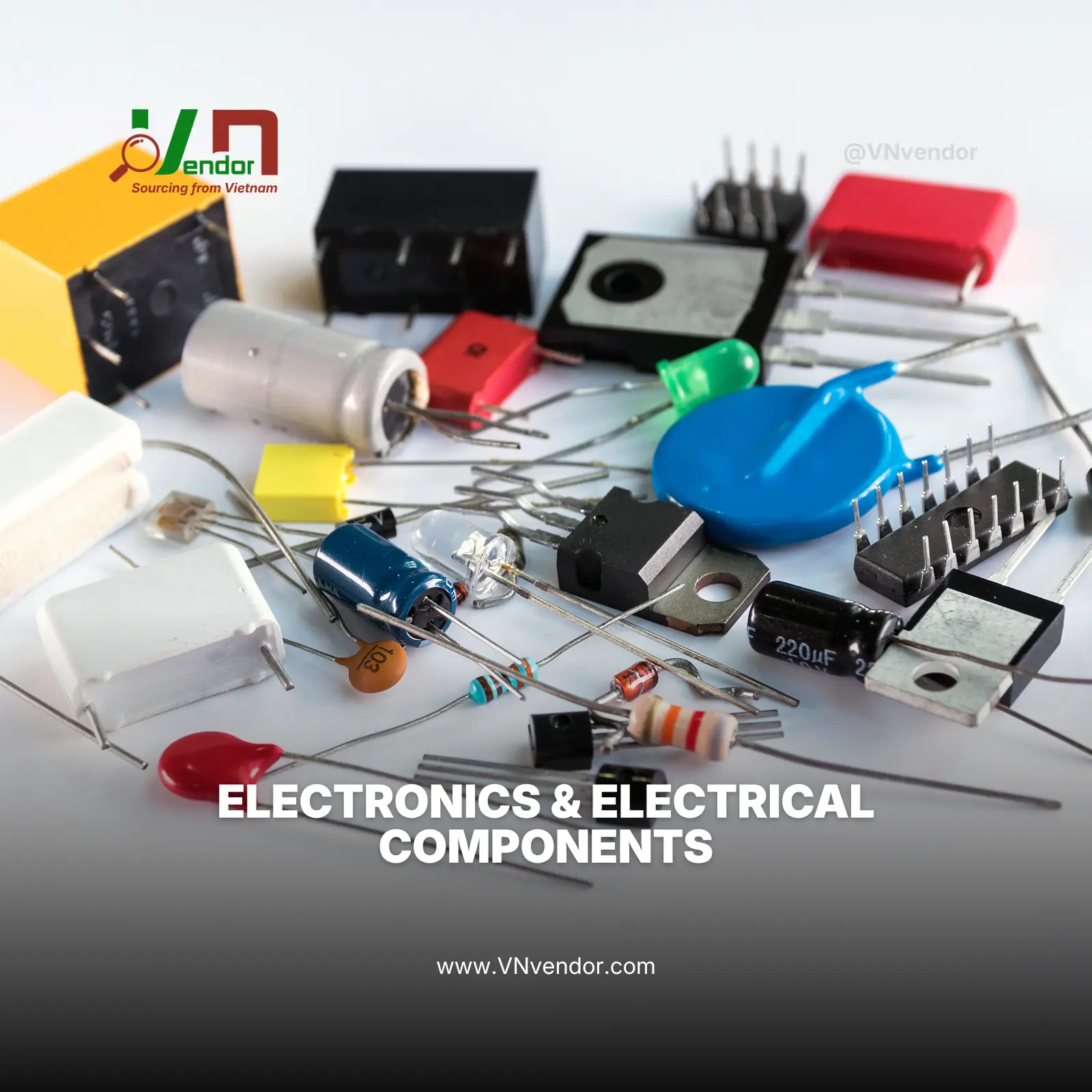
Electronics & Electrical Components
- Typical MOQ: 500–5,000 units
- Why this MOQ? PCB fabrication and component sourcing demand volume. Assembly lines need long runs to be profitable.
- Buyer prepares: PCB files, BOM, Gerber File, Firmware, Testing protocol.
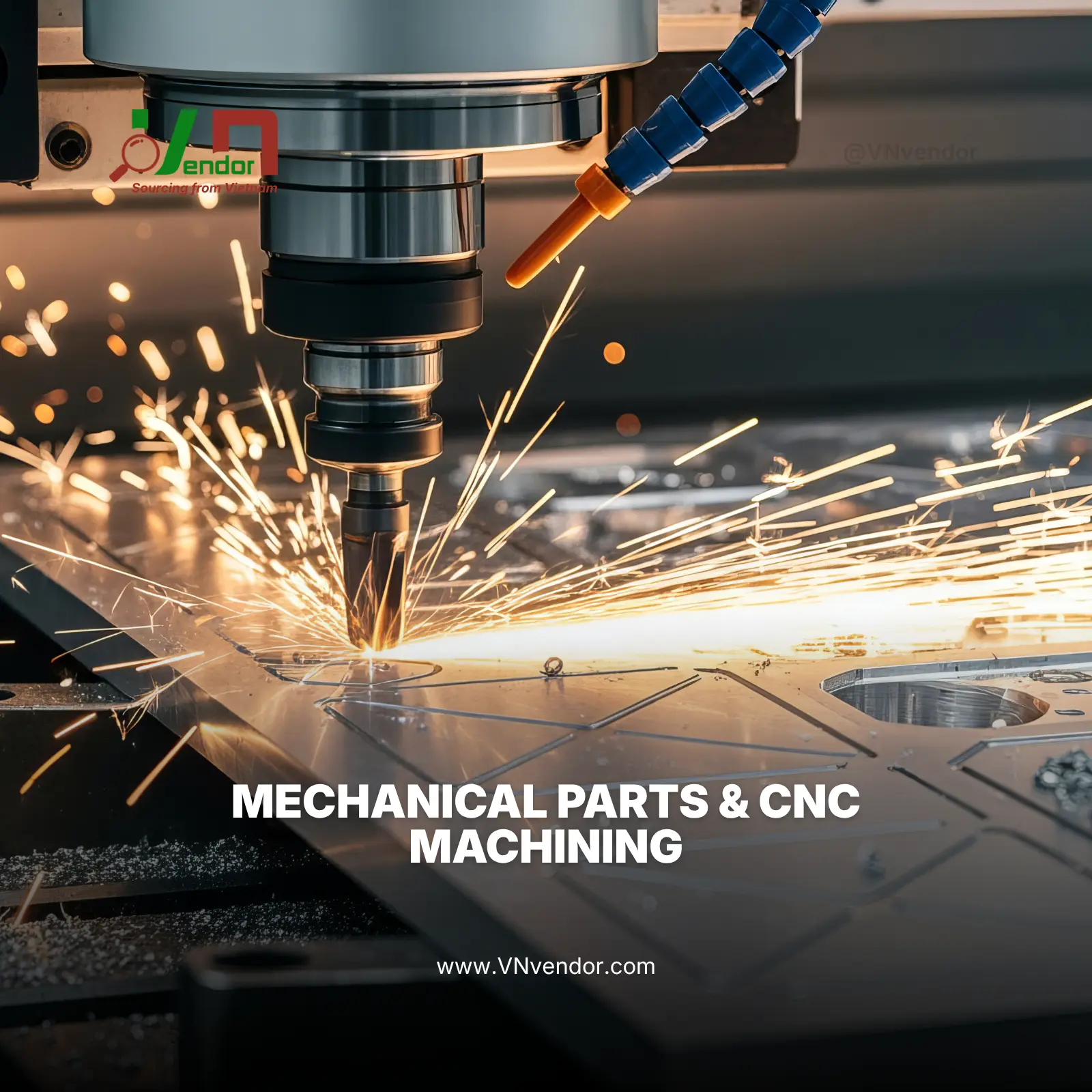
Mechanical Parts & CNC Machining
- Typical MOQ: 50–500 pcs
- Why this MOQ? Machine programming takes time. However, once programmed, the machines run automatically. This allows for slightly lower volumes.
- Buyer prepares: CAD Drawing, STEP File, Tolerance, Material grade, Surface treatment.
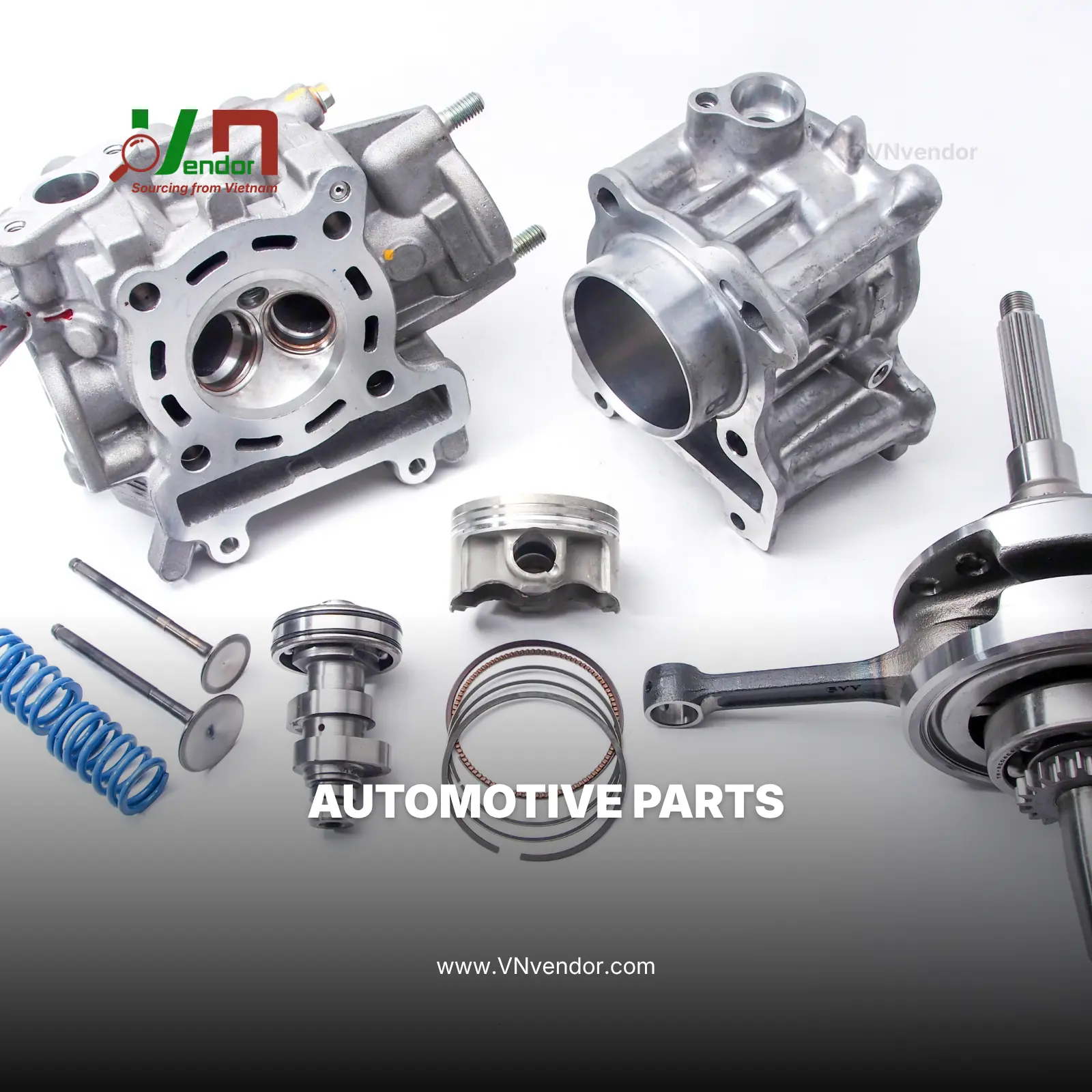
Automotive Parts
- Typical MOQ: 500–5,000 pcs
- Why this MOQ? Strict quality assurance process standards require rigid testing. Tooling costs for metal and plastic parts are high.
- Buyer prepares: Engineering drawing, PPAP, Material standard, Quality requirements.
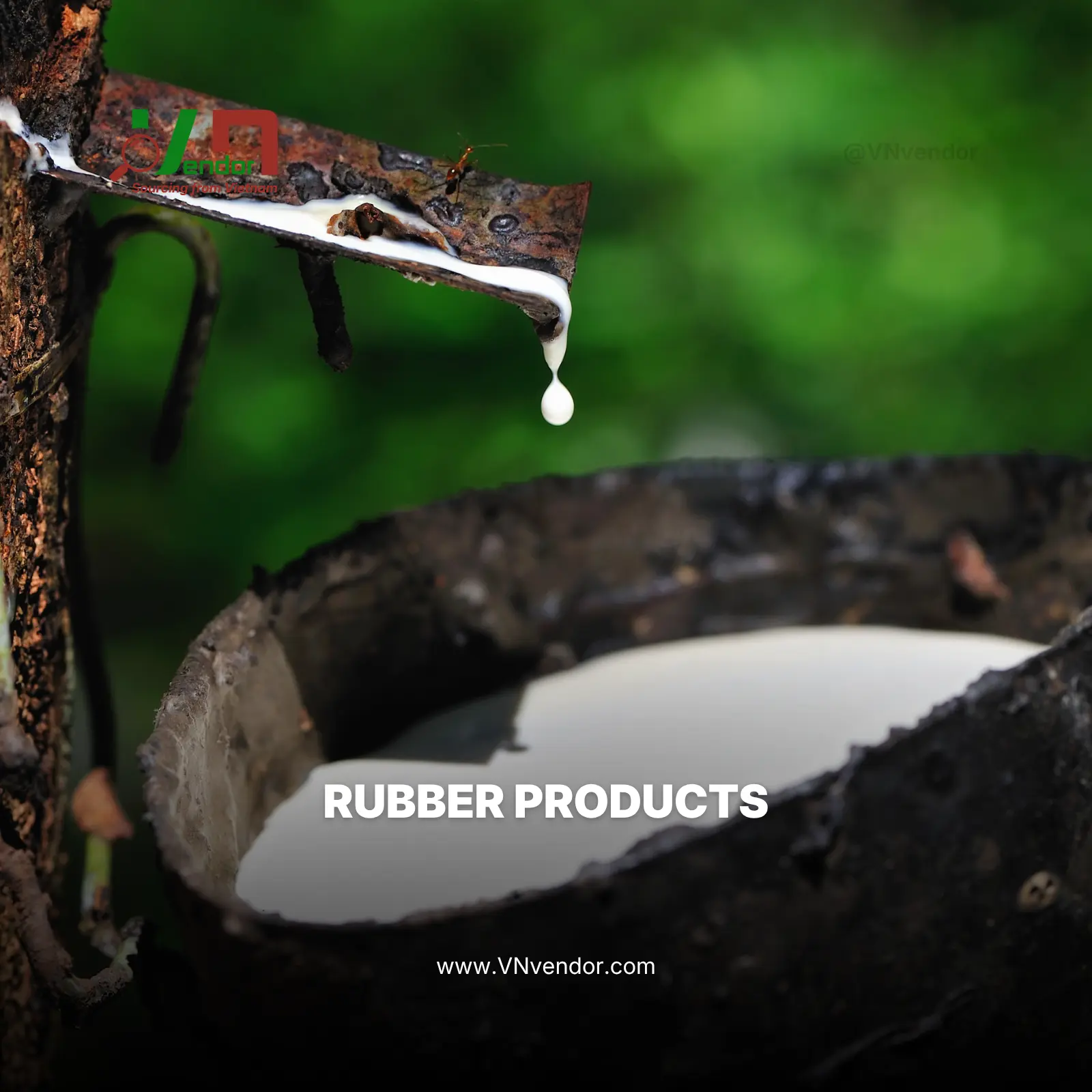
Rubber Products
- Typical MOQ: 1,000–10,000 pcs
- Why this MOQ? Mixing custom rubber compounds requires large vats. Curing processes are designed for bulk output.
- Buyer prepares: Technical drawing, Rubber compound, Hardness, Performance requirements.
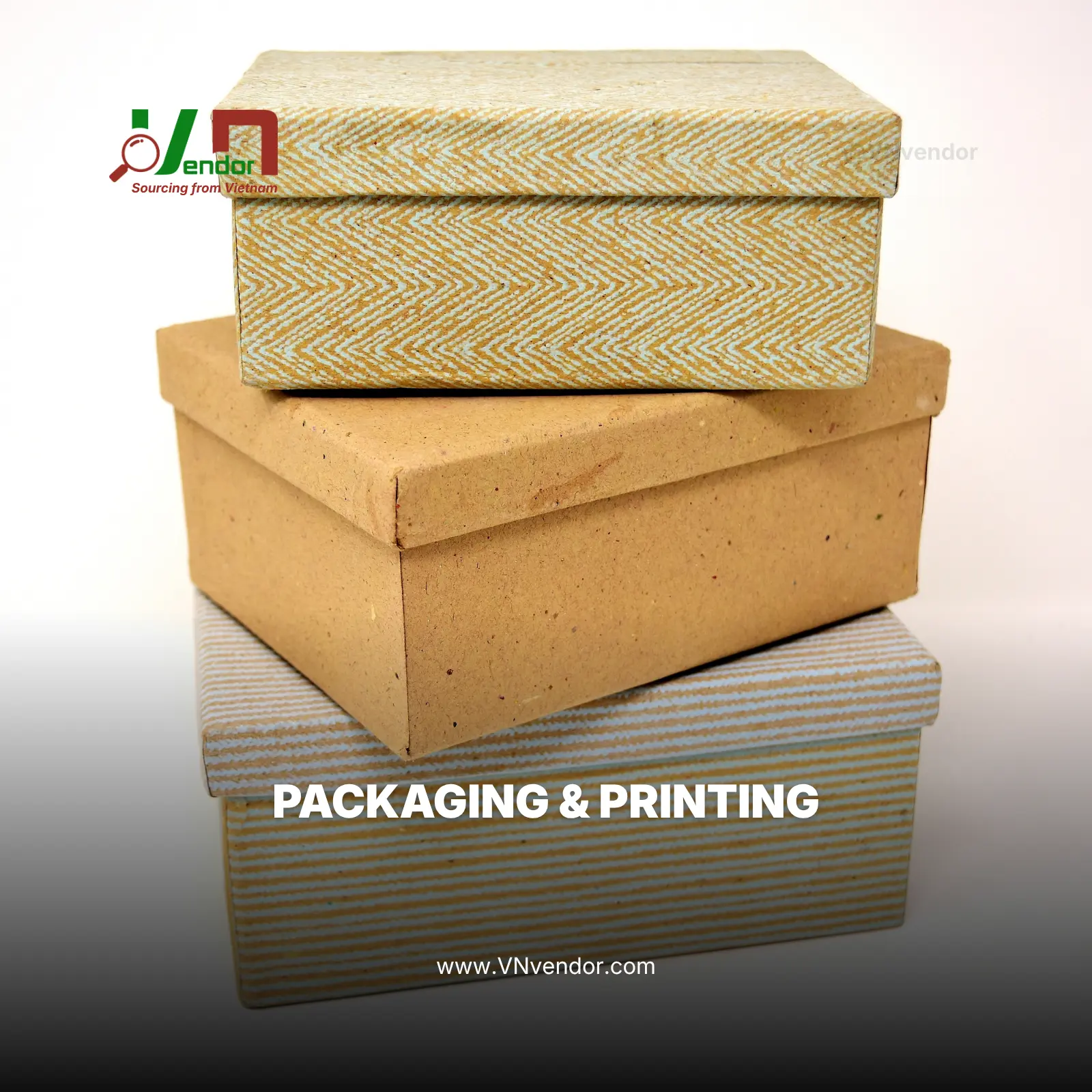
Packaging & Printing
- Typical MOQ: 3,000–20,000 pcs
- Why this MOQ? Printing plates cost money to set up. Offset printing machines run at high speeds. Small runs waste paper during calibration.
- Buyer prepares: Die line, Artwork, CMYK / Pantone, Material.
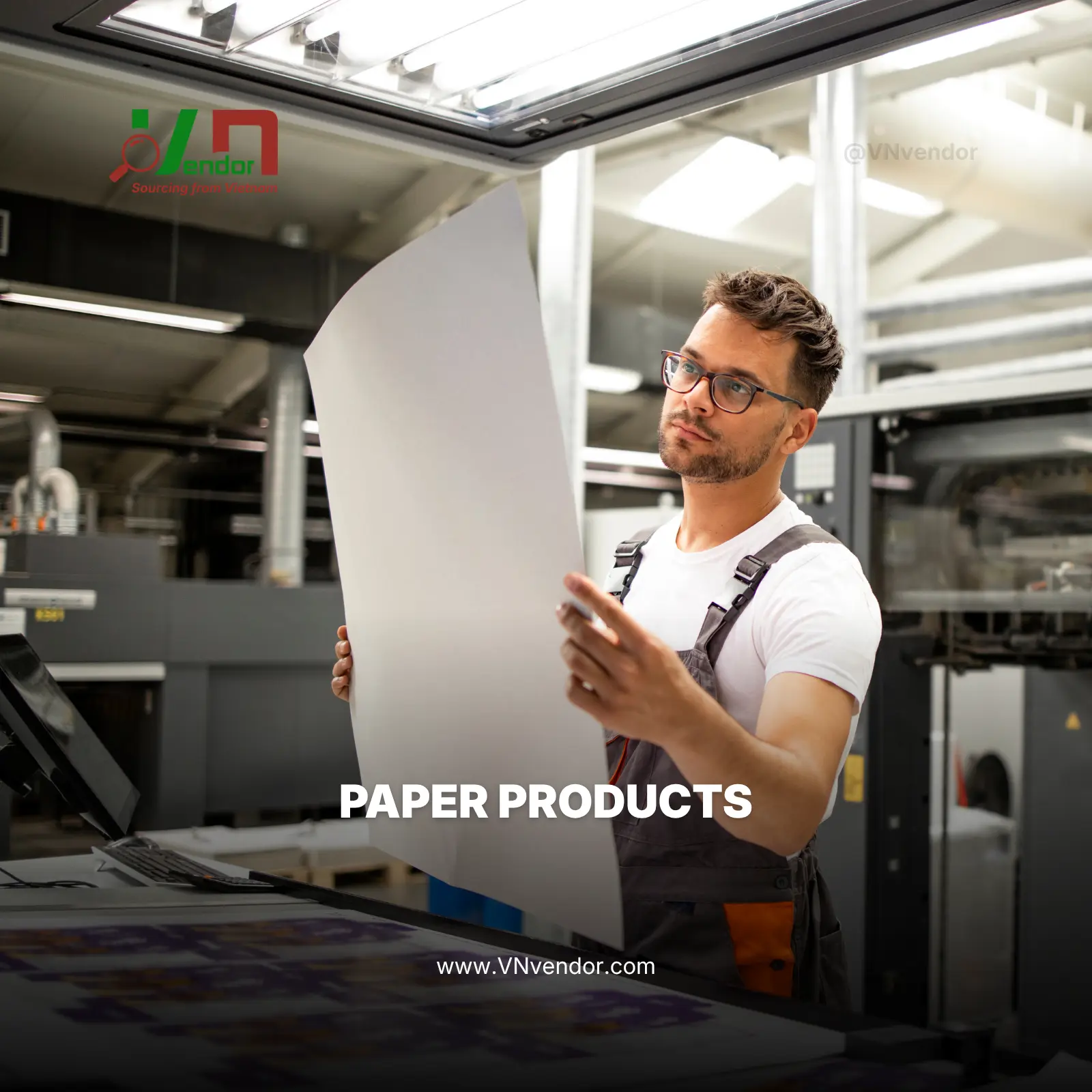
Paper Products
- Typical MOQ: 2,000–20,000 pcs
- Why this MOQ? Paper mills sell in massive rolls. Cutting and folding machines require high-speed, continuous runs.
- Buyer prepares: Artwork, Paper weight, Coating, Folding specification.
Food Manufacturing
- Typical MOQ: 500–10,000 units
- Why this MOQ? Industrial kitchens process ingredients by the ton. Cleaning lines between different recipes is time-consuming.
- Buyer prepares: Recipe, Ingredients, Packaging, Shelf life, Certifications.

Agricultural Products
- Typical MOQ: Pallet, container, or ton
- Why this MOQ? Harvests are bulk operations. Export logistics dictate that shipping partial containers is inefficient.
- Buyer prepares: Product Specification, Grade, Moisture, Destination country.

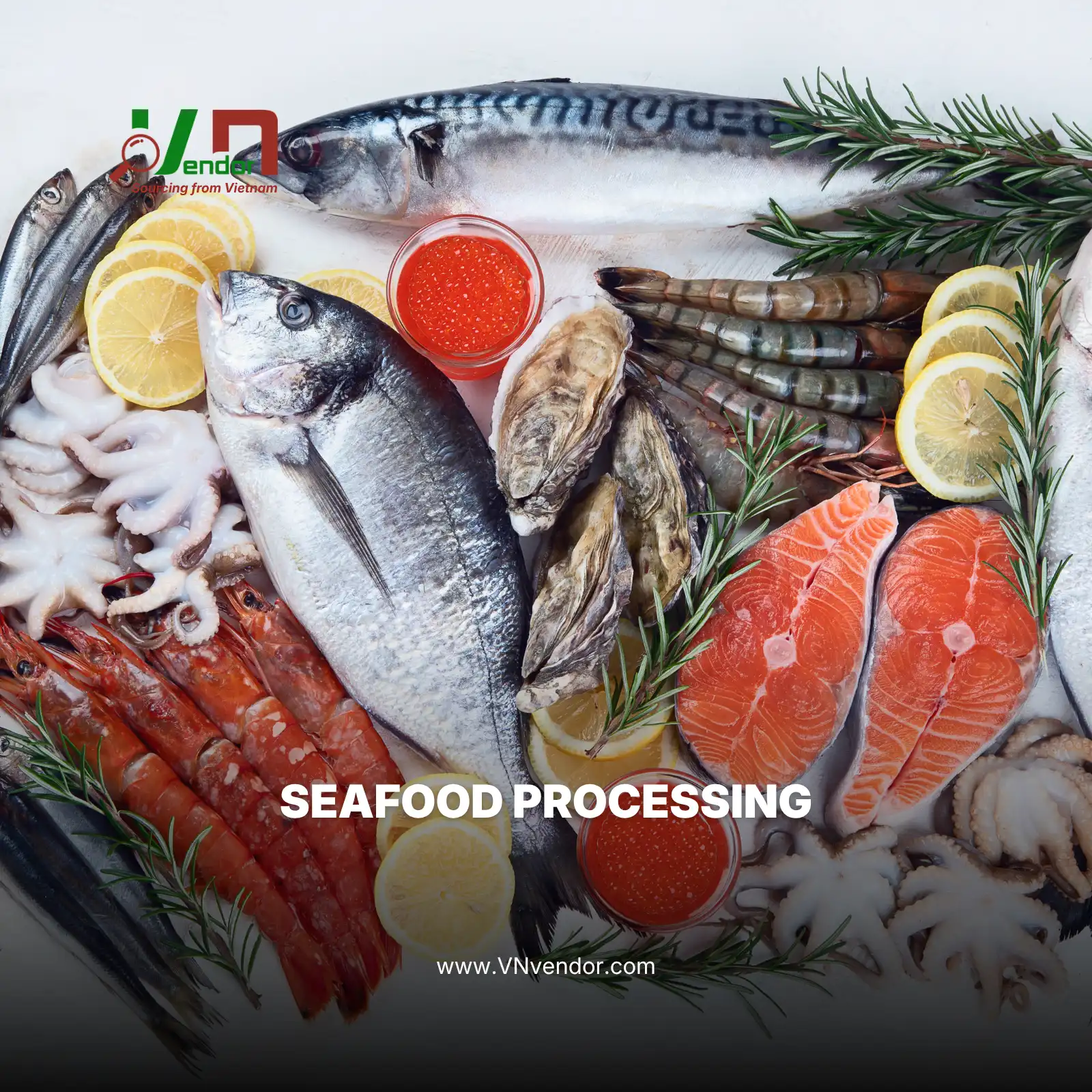
Seafood Processing
- Typical MOQ: Container or pallet
- Why this MOQ? Cold chain logistics are expensive. Processing plants freeze and pack fish in large, continuous batches.
- Buyer prepares: Product specification, Freezing method, Glazing, Certifications.
Beauty & Personal Care
- Typical MOQ: 1,000–10,000 units
- Why this MOQ? Mixing vats hold large volumes of liquids. Custom packaging bottles also require high minimums.
- Buyer prepares: Formula, Packaging, Label artwork, Regulatory requirements.

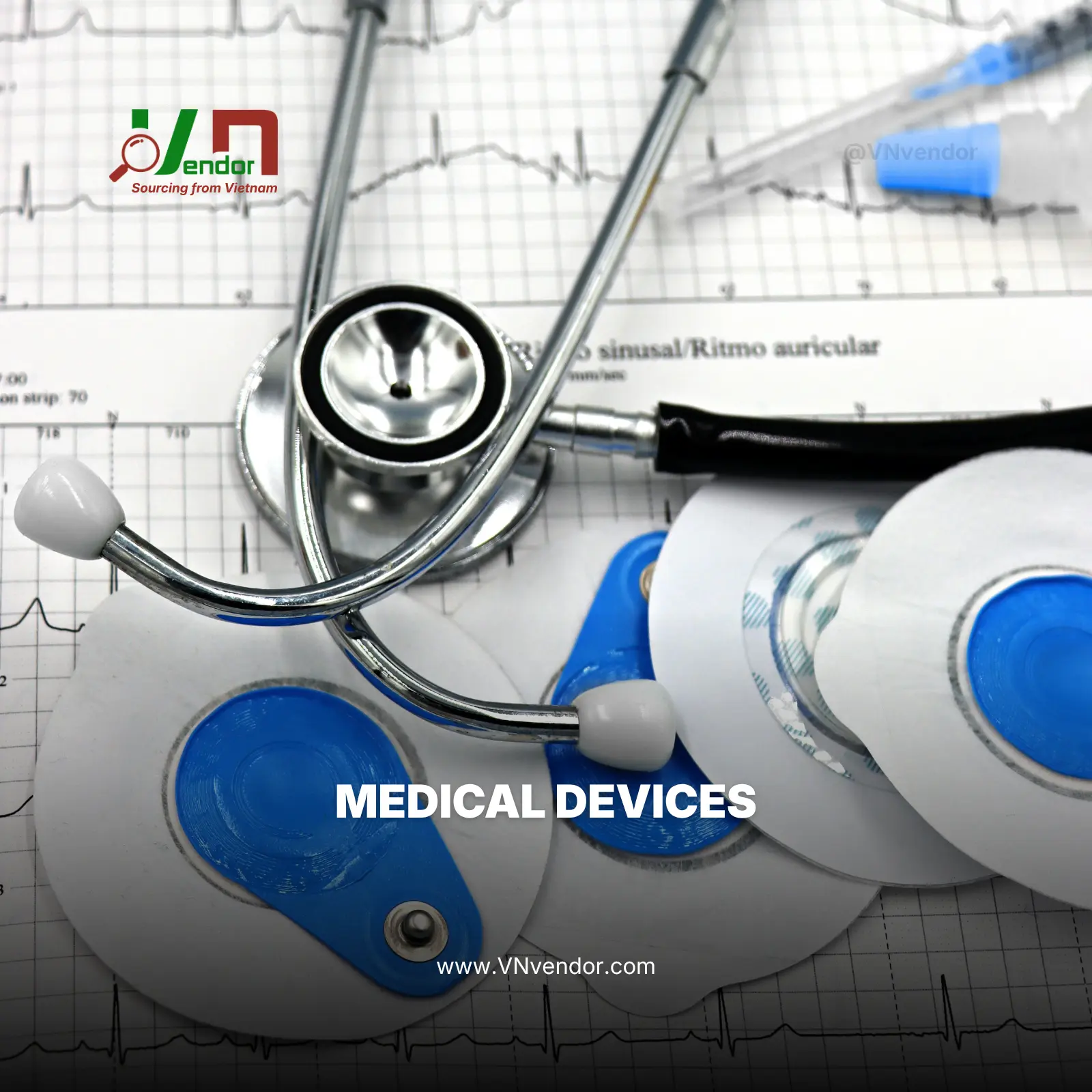
Medical Devices
- Typical MOQ: 2,000–20,000 pcs
- Why this MOQ? Compliance requirements are strict. Facilities must maintain cleanroom standards. Testing and documentation overhead is very high.
- Buyer prepares: Technical file, Regulatory requirements, Testing protocol, CE Certification.
Sports & Outdoor Products
- Typical MOQ: 300–2,000 pcs
- Why this MOQ? These items blend textiles and hardware. The factory must synchronize multiple material supply chains.
- Buyer prepares: Drawings, Material, Branding, Tech Pack.
Baby Products
- Typical MOQ: 500–3,000 pcs
- Why this MOQ? Safety testing is mandatory and expensive. Factories need sufficient volume to cover these compliance costs.
- Buyer prepares: Safety standard, Material specification, Packaging.

Pet Products
- Typical MOQ: 300–3,000 pcs
- Why this MOQ? Volumes depend on the material. Fabric beds have lower minimums than injected plastic toys.
- Buyer prepares: Material, Size, Packaging, Technical drawing.
Jewelry & Fashion Accessories
- Typical MOQ: 100–1,000 pcs
- Why this MOQ? Casting and plating require batch processing. However, the small size of the items allows for lower minimums.
- Buyer prepares: CAD, Material, Stone specification.

Ceramics & Glassware
- Typical MOQ: 500–5,000 pcs
- Why this MOQ? Kilns consume massive amounts of energy. Factories must fill the kiln completely to make firing profitable.
- Buyer prepares: Drawing, Glaze color, Packaging.
Lighting Products
- Typical MOQ: 500–3,000 pcs
- Why this MOQ? Sourcing electrical components dictates the minimum. Assembly lines also need volume for efficiency.
- Buyer prepares: Electrical specification, Compliance, Drawings.
Office Supplies & Stationery
- Typical MOQ: 1,000–10,000 pcs
- Why this MOQ? Production relies on high-speed automated machinery. Setup time is long compared to actual production time.
- Buyer prepares: Artwork, Material, Packaging.

Gardening Products
- Typical MOQ: 500–3,000 pcs
- Why this MOQ? Metal stamping and plastic molding for tools require specific setups. Raw materials are bought in bulk.
- Buyer prepares: Drawing, Material, Finish.
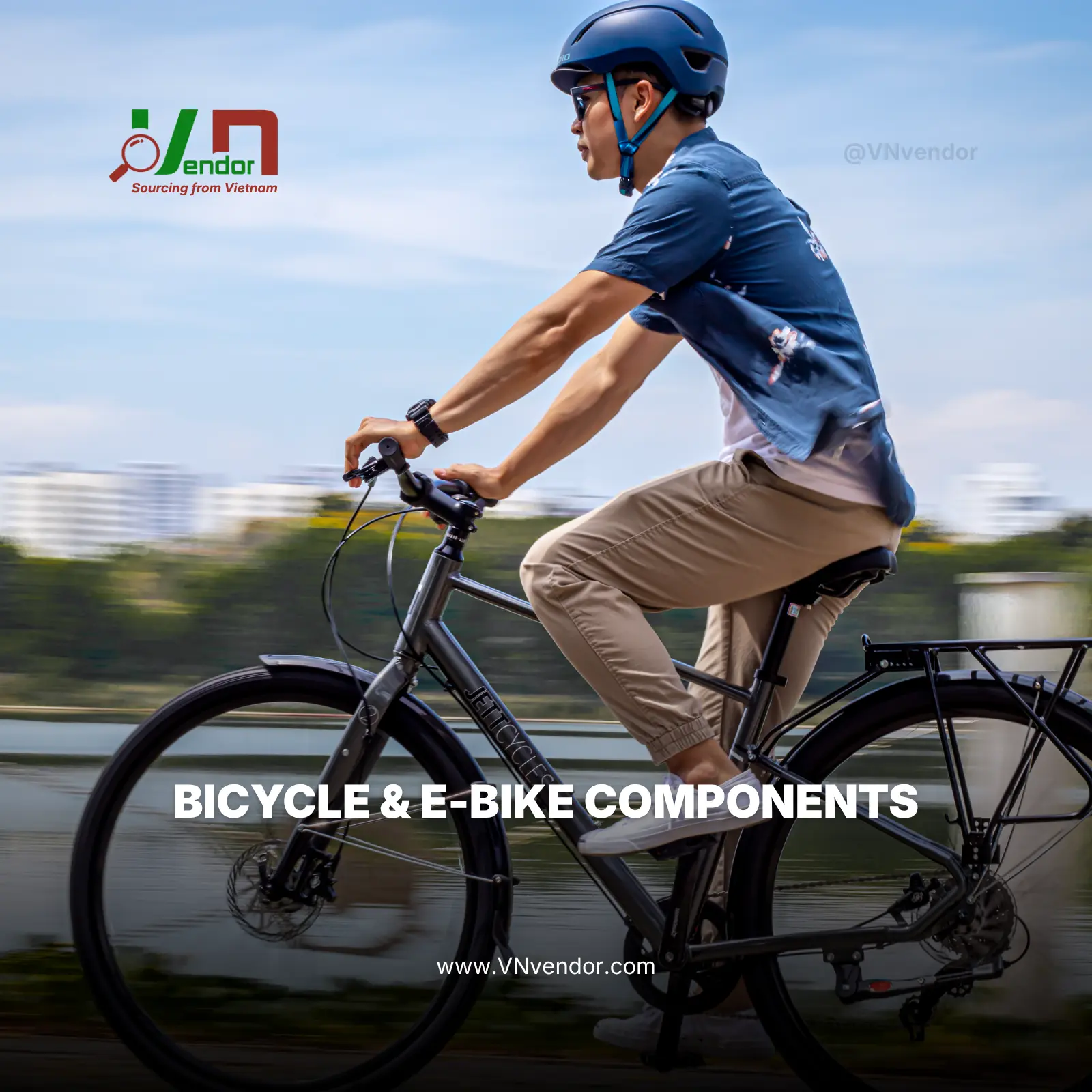
Bicycle & E-bike Components
- Typical MOQ: 300–2,000 pcs
- Why this MOQ? Frame welding and component machining are precise. Factories need stable production runs to maintain quality control.
- Buyer prepares: CAD Drawing, Material, Tolerance.
Complete Vietnam Manufacturer MOQ Comparison Table
To simplify your supplier qualification, we compiled this data. This MOQ by industry table provides a quick reference for your procurement team.
| Industry | Typical Products | Typical MOQ | Buyer Requirements |
|---|---|---|---|
| Apparel | T-shirt, Polo | 500–3,000 pcs | Tech Pack, BOM, Size Chart |
| Textile | Fabric | 300–5,000 m | GSM, Fiber Composition |
| Footwear | Shoes | 500–2,000 pairs | Tech Pack |
| Bags | Tote, Backpack | 300–2,000 pcs | Tech Pack |
| Furniture | Tables, Chairs | 10–100 sets | CAD Drawing |
| Wood | Home Decor | 200–1,000 pcs | Technical Drawing |
| Electronics | PCB, Cable | 500–5,000 units | Gerber File, BOM |
| CNC Parts | Precision Parts | 50–500 pcs | CAD, STEP File |
| Automotive | Auto Parts | 500–5,000 pcs | PPAP |
| Plastic | Plastic Parts | 1,000–10,000 pcs | Mold Design |
| Rubber | Industrial Rubber | 1,000–10,000 pcs | Rubber Compound |
| Packaging | Cartons | 3,000–20,000 pcs | Dieline, Artwork |
| Paper | Boxes, Labels | 2,000–20,000 pcs | Artwork |
| Food | Packaged Food | 500–10,000 units | Formula, Packaging |
| Agriculture | Coffee, Rice | Pallet–Container | Product Specification |
| Seafood | Frozen Seafood | Pallet–Container | Export Specification |
| Beauty | Cosmetics | 1,000–10,000 units | Formula, Label |
| Medical | PPE | 2,000–20,000 pcs | Regulatory Documents |
| Sports | Outdoor Gear | 300–2,000 pcs | Technical Drawing |
| Baby Gear | Baby Gear | 500–3,000 pcs | Safety Standards |
| Pet Gear | Pet Accessories | 300–3,000 pcs | Material Specs |
| Jewelry | Accessories | 100–1,000 pcs | CAD Design |
| Ceramics | Tableware | 500–5,000 pcs | Color & Glaze Specs |
| Lighting | LED Products | 500–3,000 pcs | Electrical Specs |
| Stationery | Office Supplies | 1,000–10,000 pcs | Artwork |
| Gardening | Garden Tools | 500–3,000 pcs | Technical Drawing |
| Bicycles | Frames & Parts | 300–2,000 pcs | CAD, Material Specs |
What If These Vietnam Manufacturing MOQ Requirements Don’t Match Your Business?
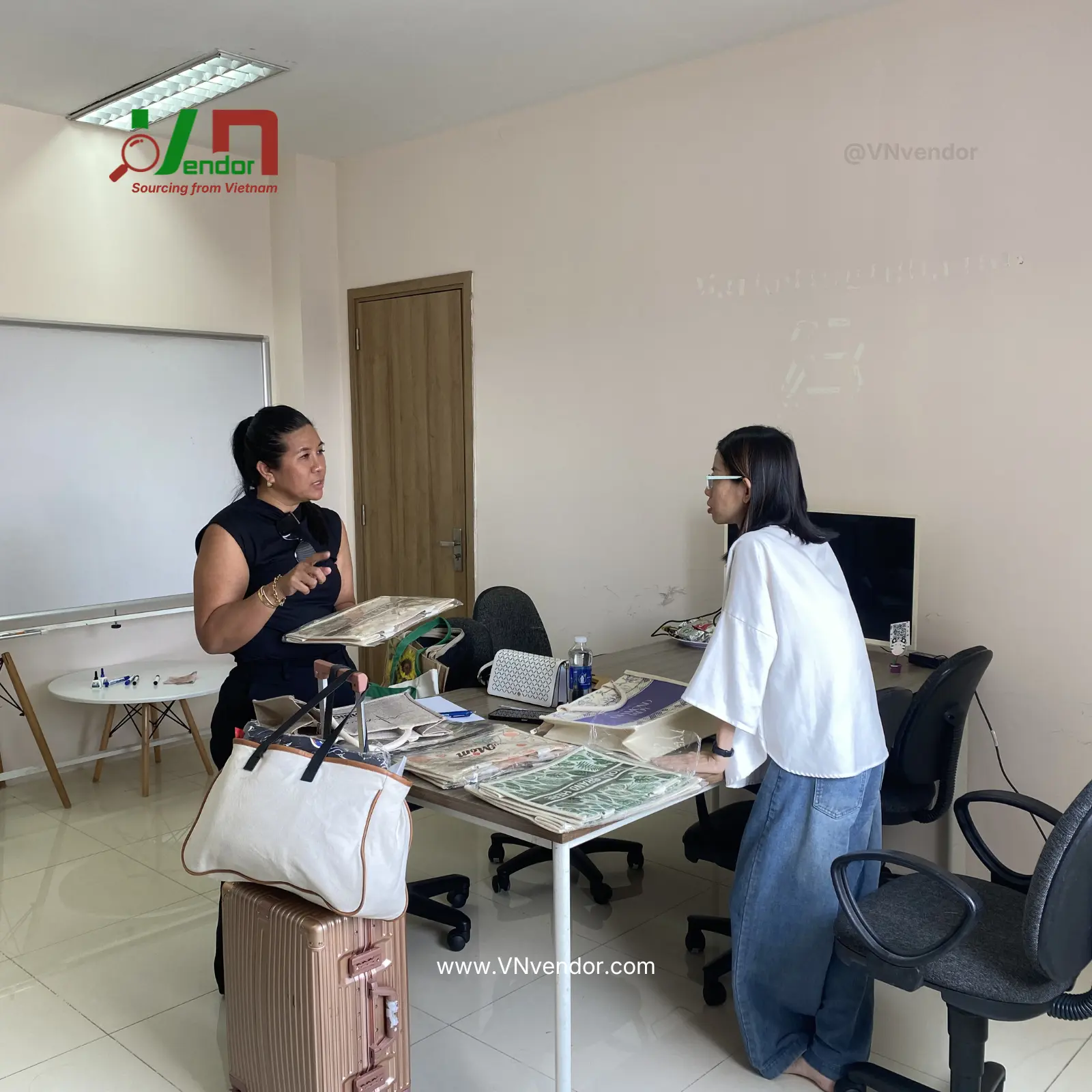
Not every company is ready for high-volume contract manufacturing. If your volume is low, finding the right match is critical. You might wonder how to navigate Vietnam manufacturing MOQ without wasting resources.
Every factory has different capabilities. One facility might demand 5,000 units. Another facility with a smaller production line might accept 500. Contacting dozens of factories directly wastes time. It also increases your exposure to serious sourcing risks.
Is it better to work with a sourcing company if you do not know any factories? Yes. Managing sourcing from Vietnam effectively requires deep local knowledge. A local partner helps you evaluate the manufacturing ecosystem safely.
You need a factory whose business model aligns with yours. This is where VNvendor sourcing expertise becomes highly valuable. We help international companies find verified manufacturers that match their specific volume needs.
Always prepare your documents thoroughly. Providing a clear Tech Pack shows you are a serious buyer. It proves you understand the product development process. Transparency and clear communication build strong, long-term manufacturing relationships.
Frequently Asked Questions About MOQ Requirements in Vietnam
When researching MOQ requirements in Vietnam, buyers often have similar concerns. We have compiled the most common questions regarding production scheduling and supplier limits.
What are the typical MOQ requirements in Vietnam?
Typical limits range from 500 to 3,000 units for garments. Plastic and electronics often require 1,000 to 10,000 units. Heavy industries calculate minimums by container load.
How do Vietnamese manufacturers determine MOQ?
Factories calculate MOQ based on raw material sourcing limits. They also factor in machine setup time and production line efficiency. Small runs often cost too much to set up profitably.
Why does MOQ vary between industries in Vietnam?
Different industries use different equipment. Fabric dyeing requires large vats, driving up minimums. CNC machining relies on programming rather than physical molds, allowing smaller batches.
Is Vietnam suitable for low MOQ manufacturing?
Yes, but it requires finding specialized facilities. Some smaller workshops accept lower volumes for OEM manufacturing. You must audit them carefully to ensure consistent quality.
Which Vietnam manufacturers accept small orders?
Mid-sized factories may negotiate if you provide complete technical files. Smaller workshops accept lower minimums but require strict quality control oversight. A sourcing partner can help identify these facilities.
What documents do manufacturers require before production?
You must prepare a detailed Tech Pack or Bill of Materials. Include CAD drawings, material specifications, and packaging requirements. Clear documentation proves you are a professional buyer.
How does MOQ affect product pricing?
Higher order volumes lower your unit price. The factory spreads the initial setup cost across thousands of items. Cost optimization in manufacturing relies heavily on these volume commitments.
What is the difference between MOQ and minimum production run?
MOQ is the minimum you can order. A minimum production run is the smallest batch a machine can process efficiently. Sometimes factories will accept a lower MOQ but charge for the full production run.
Can buyers negotiate MOQ with Vietnamese suppliers?
Yes, negotiation is possible. You can sometimes negotiate a lower minimum order quantity in Vietnam by paying a slightly higher unit price. Building a long-term relationship also improves negotiation leverage.
What happens if my order is below the supplier’s MOQ?
The supplier may reject the order entirely. Alternatively, they might charge a significant surcharge to cover setup costs. You will pay a premium for small batch production.
What hidden costs should I expect besides MOQ?
You should budget for tooling, molds, and sampling fees. Also, consider third-party quality inspection costs and export logistics. Understanding these costs is crucial for your procurement planning.
How do I know if a factory’s MOQ is reasonable?
Compare the factory’s requirement against the standard MOQ by industry. If a garment factory asks for 50,000 pieces, that is very high. If they ask for 500, that is highly flexible.
Should I work directly with a factory or a sourcing company?
If you are new to the region, a sourcing company is safer. They match your specific volume needs with verified factories. This reduces your risk and saves you significant time.
Do factories provide samples before mass production?
Yes, professional factories provide samples. You must approve this sample before mass production begins. You usually pay a sampling fee, which may be refunded upon bulk order.
What certifications should I check before placing an order?
You should check for ISO 9001, BSCI, or Sedex depending on your market. Specific products may require CE Certification, FSC, or OEKO-TEX. Compliance requirements are essential for export.
How long does it take to start production after meeting MOQ?
Lead times vary greatly. After you approve the final sample, production can take 30 to 90 days. Raw material sourcing often dictates this timeline.
I am a startup. Can I manufacture products in Vietnam with only 300 pieces?
It is possible for certain products like bags or basic apparel. However, finding a reliable factory willing to take 300 pieces is challenging. You must ensure your technical drawings are flawless.
Understanding these dynamics is exactly how to verify a Vietnamese factory effectively and safely.

